March 7, 2026
Every Kid Outdoors: Your Fourth Grader's Free National Park Pass
Somewhere between homework packets and standardized tests, there's a federal program that hands every fourth grader in America a free pass to more than 2,000 public lands. No catch. No income requirement. No lottery. If your kid is in fourth grade, they qualify, and the pass covers your whole family. Here's everything you need to know about the Every Kid Outdoors program.
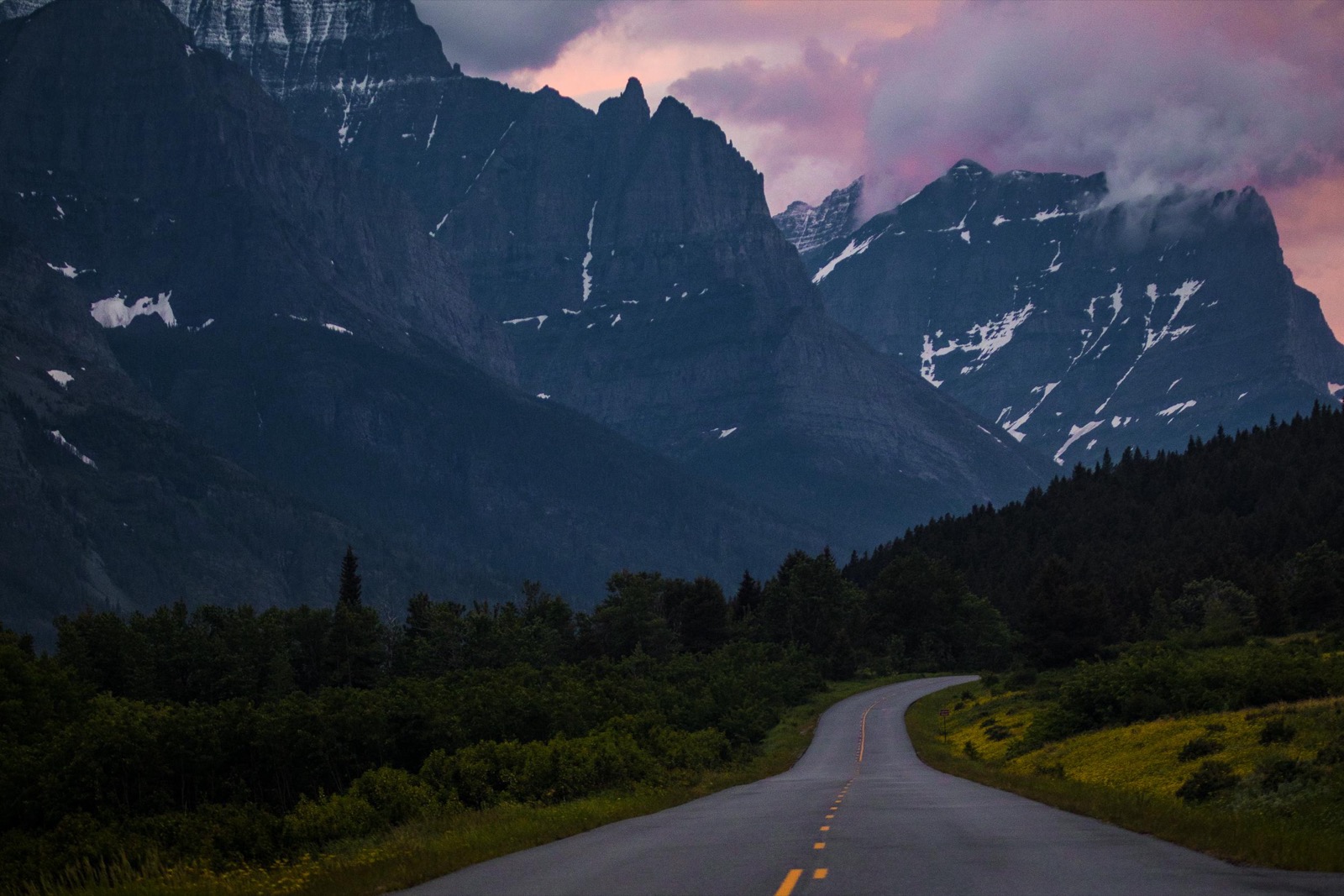
Going-to-the-Sun Road in Glacier National Park's St. Mary Valley, one of more than 2,000 sites where the Every Kid Outdoors pass works. NPS Photo.
What Is Every Kid Outdoors?
Every Kid Outdoors is a federal program that provides a free annual pass to every US fourth grader, granting free entry to all federally managed lands and waters that charge entrance or day-use fees. That includes national parks, national forests, wildlife refuges, marine sanctuaries, and Army Corps of Engineers recreation areas. In total, that adds up to more than 2,000 sites across all 50 states.
The pass isn't just for the student. At sites that charge per vehicle, the pass covers everyone in the car. At sites that charge per person, it admits the fourth grader, all children under 16, and up to three accompanying adults. For a family of five visiting Yellowstone, that's $35 saved on a single visit, and the pass works all year long.
How to Get the Pass
Visit everykidoutdoors.gov
Go to everykidoutdoors.gov with your fourth grader.
Complete the activity
A short, educational online activity about public lands. There are no wrong answers.
Print the voucher
Digital copies on phones or tablets are not accepted. You need a paper printout at the gate.
Trade it in
Exchange the printed voucher for an official Annual 4th Grade Pass at any participating site.
The pass is valid from September 1 through August 31 of the school year, covering fall break, winter break, spring break, and the entire summer. The current pass period runs through August 31, 2026.
Every Kid Outdoors, by the Numbers
2023–2024 program year
167,970
Passes issued
up 17% from the year before
277,233
Kids & families reached
through 6,328 ranger-led programs
1.86M
Vouchers requested
up 27% year over year
Where the 167,970 passes were issued
- National Park Service128,349
- US Forest Service15,360
- Bureau of Land Management12,320
- US Army Corps of Engineers9,925
- US Fish & Wildlife Service2,016
No matter where you live in America, you're within about two hours of a federal recreation site that honors the pass.
Source: Every Kid Outdoors 2023–2024 Report, National Park Service.
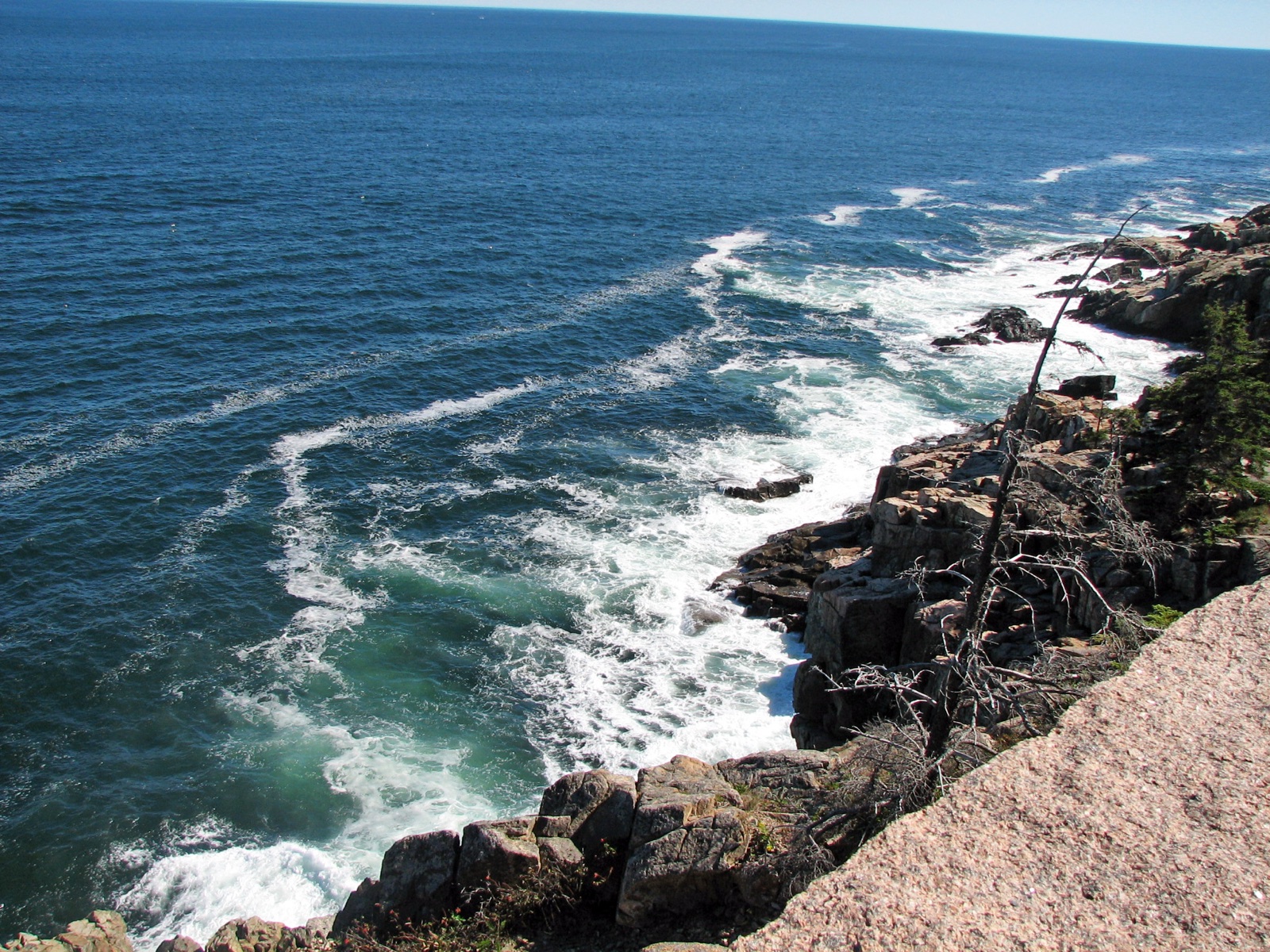
Waves break against the granite cliffs at Otter Cliff in Acadia National Park, Maine. NPS Photo.
Who Qualifies?
Every US fourth grader, regardless of school type. Public school, private school, charter school, and homeschool students are all eligible. Homeschooled children and “free-choice learners” who are approximately 10 years old qualify without any school enrollment documentation.
There is no income requirement, no application form, and no limit on the number of passes issued. Approximately four million fourth graders are eligible each year. During the 2023–2024 school year, nearly 168,000 passes were issued, a 17% increase over the previous year. Still, that means millions of families are leaving free park access on the table.
Where Does the Pass Work?
The pass is honored by seven federal agencies, not just the National Park Service:
- 1.National Park Service covers more than 400 sites: 63 national parks plus hundreds of monuments, seashores, and historic sites.
- 2.US Forest Service covers 154 national forests and 20 grasslands, spanning nearly 200 million acres.
- 3.Bureau of Land Management manages 245 million acres of public land, mostly in the West.
- 4.US Fish & Wildlife Service oversees more than 500 national wildlife refuges, including at least one in every state and territory.
- 5.Bureau of Reclamation manages dams, reservoirs, and recreation areas across 17 western states.
- 6.US Army Corps of Engineers oversees lakes and waterways in 43 states, popular for boating and fishing.
- 7.NOAA manages 15 national marine sanctuaries and 2 marine national monuments along both coasts.
One important caveat: the pass covers entrance and standard day-use fees only. It does not cover camping fees, boat launch fees, special tours, parking at concession-run lots, or ferry tickets. Budget separately for those.
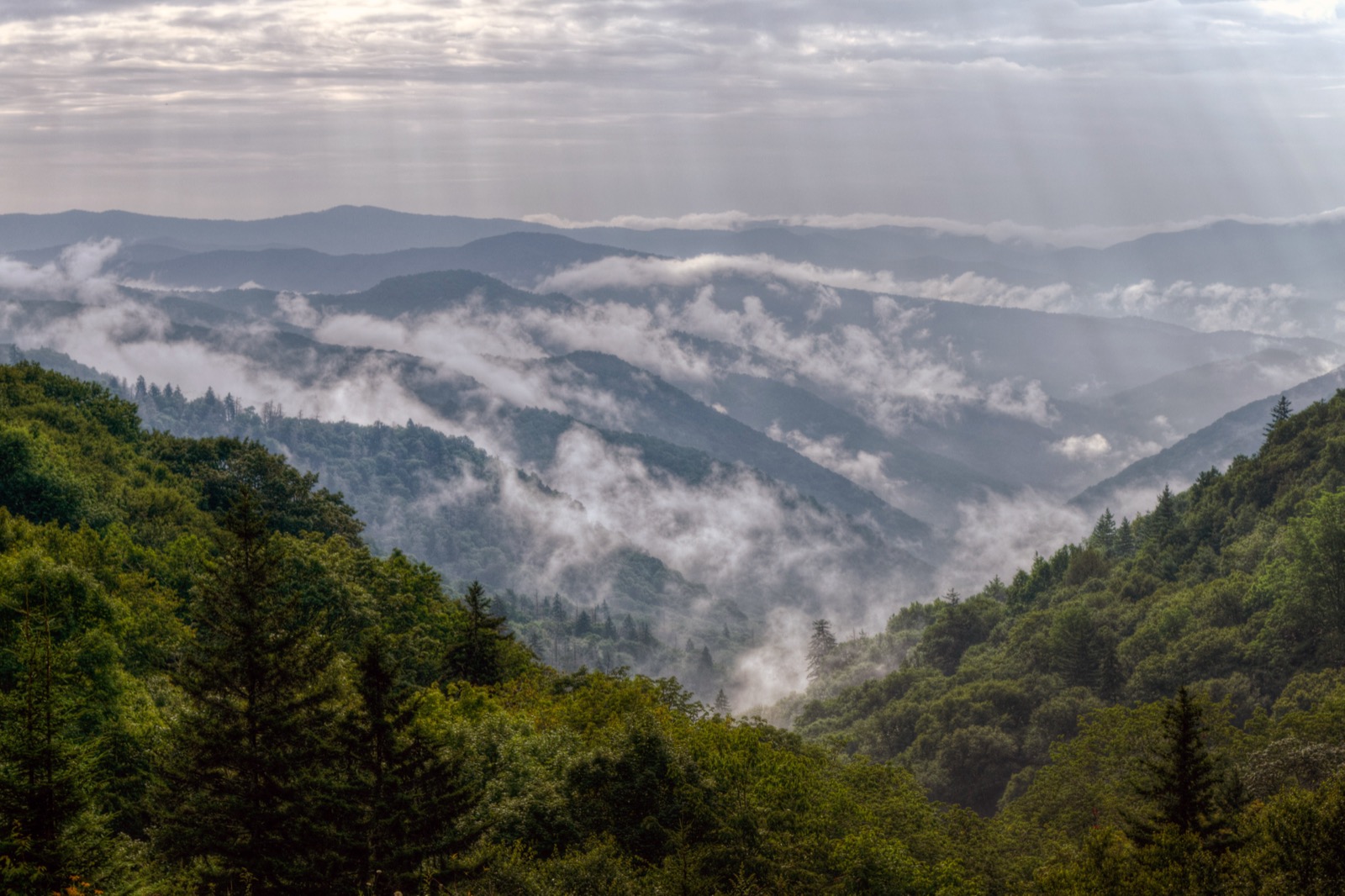
Great Smoky Mountains National Park, the most visited national park in America with over 13 million annual visitors. Photo by Kristina Plaas.
How It Started
In February 2015, President Barack Obama announced the “Every Kid in a Park” initiative, timed to build momentum toward the National Park Service's centennial in 2016. The first passes became available on September 1, 2015, with the inaugural event held at Red Rock Canyon National Conservation Area outside Las Vegas.
For its first four years, the program was renewed annually by executive action. That changed in March 2019, when Congress passed the John D. Dingell Jr. Conservation, Management, and Recreation Act, which codified the program into law and renamed it “Every Kid Outdoors.” That legislation authorized the program for seven years.
In January 2025, the EXPLORE Act extended the program through 2031. And as of September 2025, the Every Kid Outdoors Reauthorization Act has been introduced in Congress, which would make the program permanent and expand eligibility to include fifth graders. That bill is still pending.
The bipartisan support is notable. Over ten years and three administrations, the program has survived every budget cycle and political shift. Public lands have a way of cutting across party lines.
10 Tips to Make the Most of the Pass
1. Print the voucher before you leave home. This is the number one mistake families make. Park rangers cannot accept digital copies on a phone or tablet. Print it, fold it, put it in the glove box.
2. One pass covers the whole family. You only need one fourth grader's pass per visit. It admits up to three adults plus all kids under 16.
3. Think beyond the big-name parks. Yellowstone and Yosemite are extraordinary, but national forests, wildlife refuges, and BLM lands are often less crowded and just as beautiful. Your pass works at all of them.
4. Pair it with the Junior Ranger program. Most NPS sites offer free Junior Ranger activity booklets. Kids complete nature-based activities and earn an official badge from a ranger. It's free and gives the visit educational structure.
5. Use NPS fee-free days strategically. The National Park Service offers several fee-free days each year (MLK Day, National Parks Week in April, Veterans Day, and others). On those days everyone gets in free, so save your Every Kid Outdoors pass for the days when fees are charged.
6. Call ahead for concession-run sites. A few sites operated by private concessionaires may not honor the pass. A quick phone call or website check before you drive prevents disappointment.
7. Plan around the school calendar. The pass runs September through August, so it covers every school break plus the entire summer. Many families plan their big national park trip for summer, when the pass is still valid and kids are out of school.
8. Look for ranger-led programs. Free guided hikes, campfire talks, and night sky programs are available at most parks. They're the best-kept secret in the NPS system and they make a visit unforgettable for kids.
9. Make it a geography lesson. Before the trip, explore the park's state on our Fast Facts pages or play a round of Recon Photos to see if your family can identify states from NPS park imagery. It turns the car ride into a study session.
10. Don't wait until summer. Many parks are less crowded and more magical in the off-season. Fall colors in the Smokies, winter solitude at Bryce Canyon, and spring wildflowers at Death Valley all prove the same point: the pass works year round.
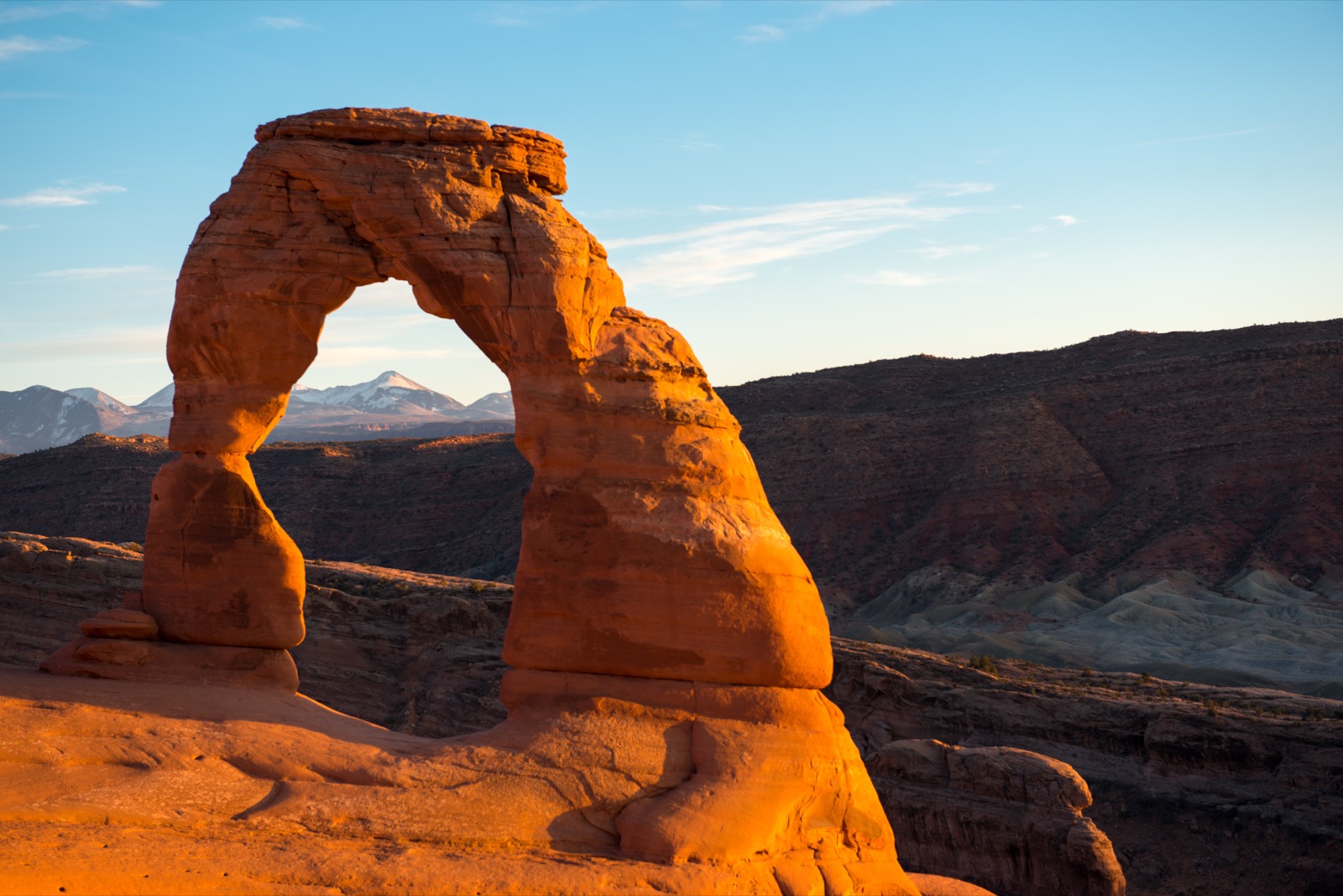
Delicate Arch, the most photographed natural arch in the world, at Arches National Park, Utah. NPS Photo.
Why Fourth Grade?
Fourth grade is the year most US students first study state and national geography in a structured way. It's part of the national geography standards for that grade level. The program was designed to meet kids at exactly the moment they're learning about the physical and political geography of the United States, then put them in the middle of it.
Research consistently shows that outdoor experiences during childhood create lasting connections to nature and conservation. A nine- or ten-year-old is old enough to hike real trails, read interpretive signs, and remember the trip decades later, but young enough that the experience still feels like pure wonder.
The pending reauthorization bill would expand eligibility to fifth graders as well. That reflects an acknowledgment that one year isn't always enough to plan a trip, and that COVID-era disruptions caused many students to miss their window entirely.
The Bigger Picture
The United States manages more than 640 million acres of public land, roughly 28% of the country's total land area. That's an inheritance that belongs to every American, but it only matters if people actually use it. National parks saw over 325 million recreation visits in 2023, but access isn't evenly distributed. Urban families, low-income families, and communities without a tradition of park visitation are significantly underrepresented.
Every Kid Outdoors is one of the few federal programs that directly addresses this gap. The pass removes the cost barrier entirely. And because it goes to every fourth grader regardless of background, it normalizes the idea that public lands belong to everyone.
With nearly 168,000 passes issued in the 2023–2024 school year and millions more eligible, there's still enormous room for growth. Many families simply don't know the program exists. Teachers, homeschool groups, scout leaders, and anyone who works with kids in that age range can help close the awareness gap.
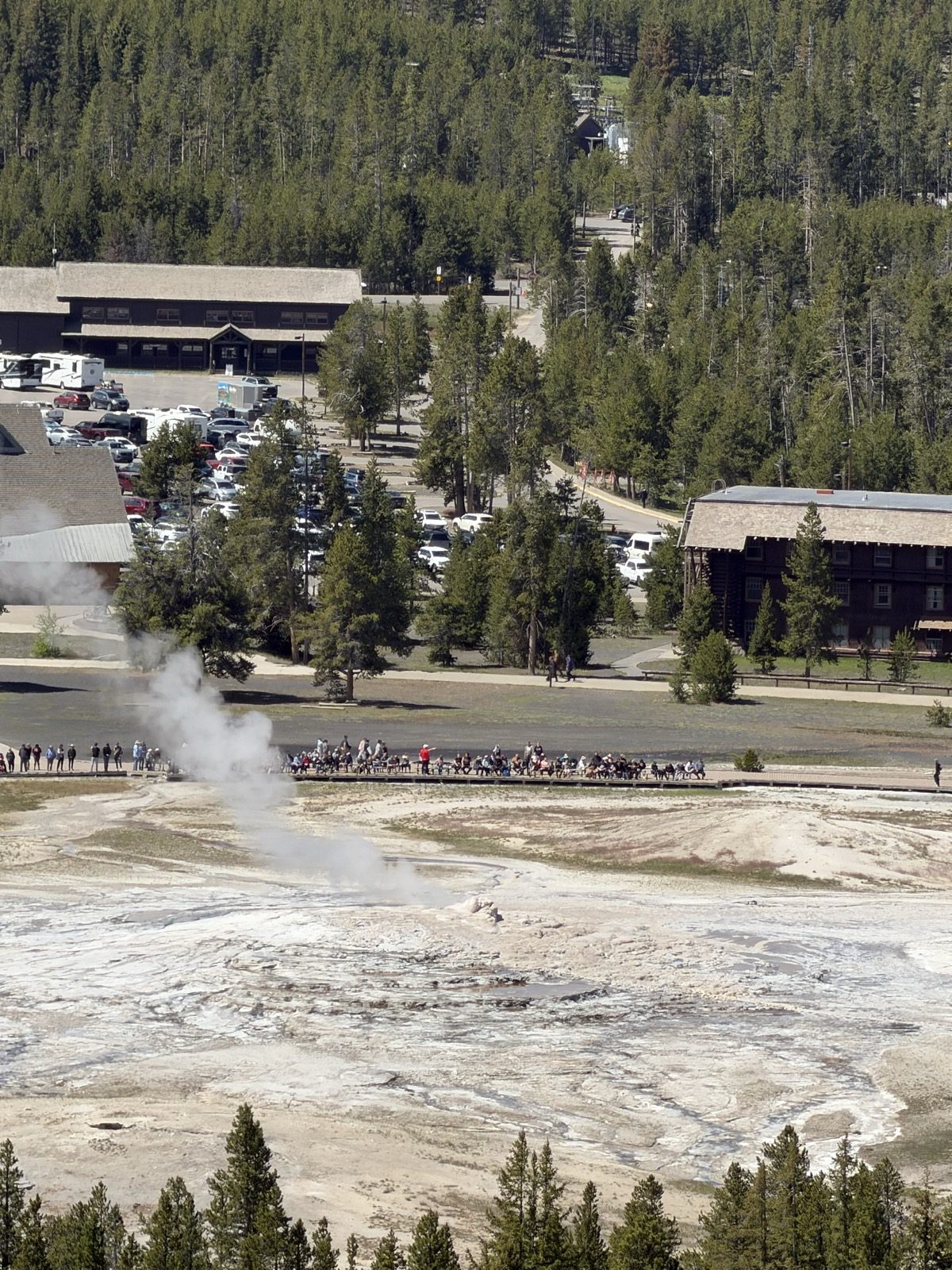
Crowds gather to watch Old Faithful erupt at Yellowstone National Park, America's first national park, established in 1872.
Frequently Asked Questions
When does the Every Kid Outdoors pass start and end?
The pass runs on the school year, not the calendar year: September 1 through August 31. A fourth grader can obtain and use the pass any time in that window, and it isn't tied to any individual school's specific start or end dates, since those vary across the country. Source: everykidoutdoors.gov official rules.
Are homeschoolers or 10-year-olds eligible?
Yes. Eligibility isn't limited to public-school fourth graders. Public school, private school, charter school, and homeschool students are all eligible under the same rules, and homeschooled or "free-choice" learners around 10 years old qualify too, with no enrollment documentation required. Source: EKO 4th Grade Brochure.
Can 5th graders still use the pass?
A pass obtained during a student's 4th grade year stays valid through August 31 of that same program year, even after they've started 5th grade that fall. So a family can keep using it all through the summer right after 4th grade ends. What doesn't work is getting a brand-new pass once a student is actually enrolled in 5th grade: passes are issued only to current fourth graders, and the summer carryover comes from the fixed September-to-August window, not from extended eligibility. Source: everykidoutdoors.gov official rules.
About the Photos
All images in this article are sourced from the National Park Service API (developer.nps.gov) and are public domain under Creative Commons licensing, hosted directly on GeoProwl for reliability. The same API powers our Recon Photos game, where players identify US states from NPS park photography. Individual photographer credits are noted in each caption.
Learn the Geography Before You Go
Planning a park trip? Explore each state's parks, demographics, climate, and agriculture on our Fast Facts pages, test your map knowledge with Just States, or see if you can identify a state from a single park photo in Recon Photos. Every national park in our game uses real NPS photography, the same views your family will see from the trail.
Haven't picked where to use that free pass yet? See the 7-park comparison guide, with real NPS data plus a quick matchmaker quiz.