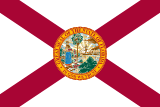
Florida
FL · Data from 2022–2023 government sources · Southeast · 50 States Learning Path
Florida, the Sunshine State, is the third-most-populous state in the nation and one of the top tourist destinations in the world. Its 1,350 miles of coastline, subtropical climate, and world-famous theme parks draw over 130 million visitors annually. Florida is also a major hub for international trade, aerospace, and agriculture — particularly citrus, which has been synonymous with the state for over a century.
Think you know Florida? Test your geography skills.
History
Florida has the longest recorded history of any U.S. state. Spanish explorer Juan Ponce de León arrived in 1513 and named the land 'La Florida' for its lush vegetation. St. Augustine, founded by the Spanish in 1565, is the oldest continuously occupied European settlement in the United States. Florida changed hands between Spain and Britain before the U.S. acquired it in 1821. It became the 27th state in 1845. The 20th century transformed Florida through the development of tourism (Walt Disney World opened in 1971), the space program at Cape Canaveral, and massive population growth driven by retirees and immigrants.
Economy
Florida's economy is the fourth-largest in the nation, driven by tourism, agriculture, aerospace, international trade, and financial services. Walt Disney World alone employs over 75,000 people. The Port of Miami is the world's busiest cruise port. Florida is the nation's leading producer of oranges, sugarcane, and fresh-market tomatoes. The Space Coast is home to NASA's Kennedy Space Center and SpaceX's primary launch facility. Florida has no state income tax, attracting businesses and residents from higher-tax states.
Geography & Landmarks
Florida is a 500-mile-long peninsula separating the Atlantic Ocean from the Gulf of Mexico. The state is remarkably flat — its highest natural point, Britton Hill, is just 345 feet above sea level, the lowest high point of any state. The Everglades, a vast subtropical wetland ecosystem at the peninsula's southern tip, is the largest tropical wilderness in the United States. The Florida Keys extend 120 miles into the sea, connected by the Overseas Highway. Florida's coastline stretches approximately 1,350 miles, the longest of any contiguous U.S. state, with beaches on both the Atlantic Ocean and the Gulf of Mexico. The Florida Keys archipelago contains about 1,700 islands and is connected by the Overseas Highway, one of the most scenic drives in America.
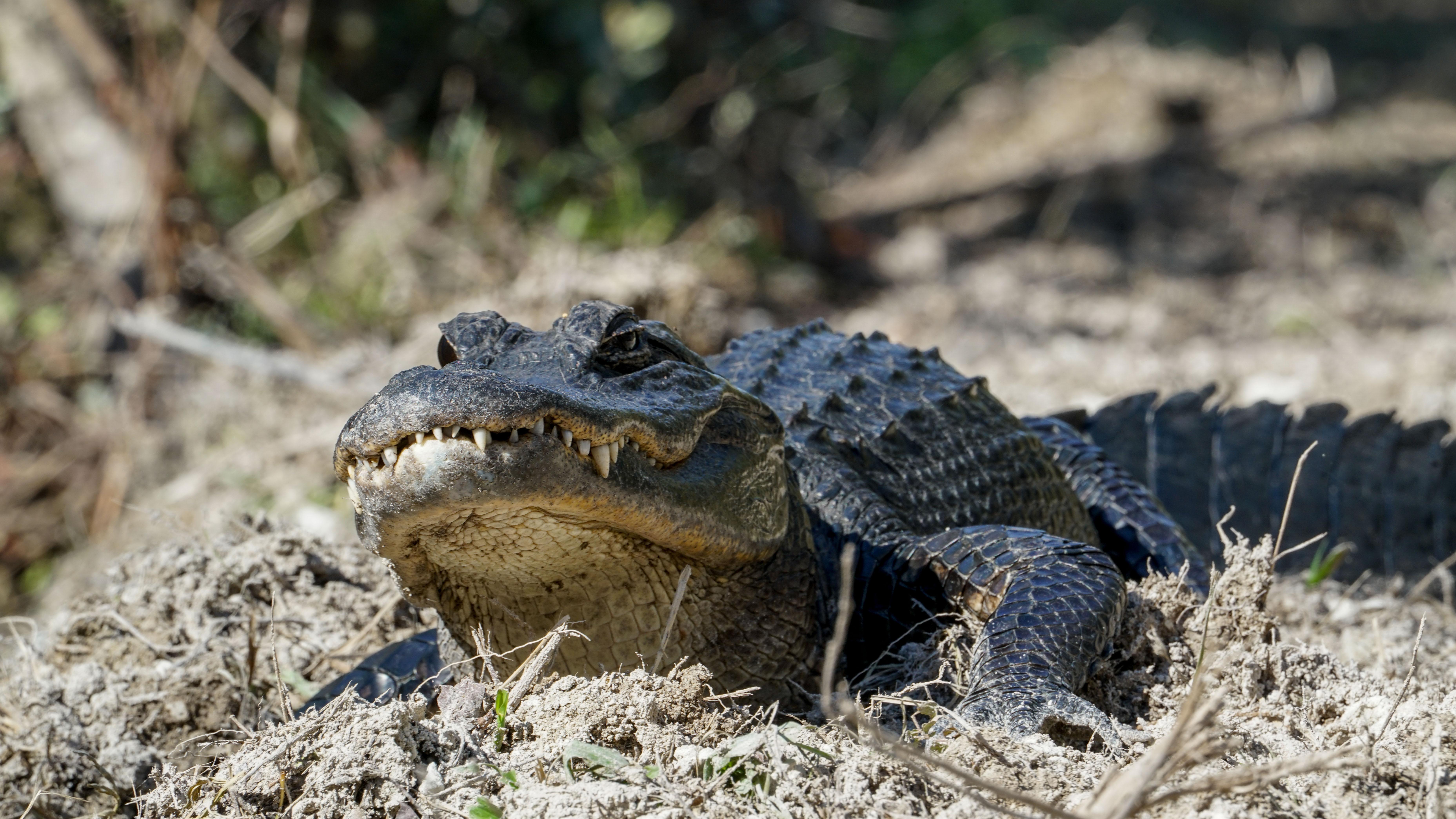
Big Cypress National Preserve — NPS Photo
Source: NPS API
Culture & Traditions
Florida's cultural identity is as diverse as its population, shaped by Cuban, Haitian, Caribbean, and Latin American influences alongside its Southern and retiree communities. Miami's Little Havana neighborhood is the cultural heart of Cuban-American life, where Calle Ocho hosts an annual street festival drawing over one million visitors. The state is a professional sports powerhouse with the Miami Heat, Tampa Bay Buccaneers, and Florida Gators among its most passionate fanbases. The Ringling Museum in Sarasota, built by circus magnate John Ringling, houses one of the finest Baroque art collections in the country alongside a circus museum and a historic theater. Key West's literary heritage includes Ernest Hemingway, who wrote some of his greatest works at his Whitehead Street home, and the annual Hemingway Days festival celebrates his legacy with a look-alike contest and literary readings.
Notable Cities
Tallahassee
CapitalThe state capital, located in the Florida Panhandle. Home to Florida State University and Florida A&M University, with a hilly terrain unusual for Florida.
198,259
Population
$52,899
Median income
$256,400
Home value
$1,165
Median rent
27.6
Median age
6.5%
Unemployment
39.8%
Homeownership
29,594
Bachelor's+
Miami
A global city and gateway to Latin America. Known for South Beach, Art Deco architecture, a vibrant nightlife scene, and one of the most diverse populations in the country.
Orlando
The Theme Park Capital of the World, home to Walt Disney World, Universal Studios, and SeaWorld. Also a growing tech and simulation industry hub.
Tampa
A major Gulf Coast city known for its riverwalk, the historic Ybor City neighborhood, Busch Gardens, and a thriving food scene.
Jacksonville
The largest city by area in the contiguous United States, spanning 875 square miles. A major port city and naval hub in northeast Florida.
Capital city data: Census Bureau ACS 5-Year (2022)
Intel File · Fun Facts
Florida has more golf courses than any other state — over 1,250 courses statewide.
St. Augustine, founded in 1565, is the oldest continuously occupied European settlement in the United States.
The Everglades is the only place on Earth where alligators and crocodiles coexist in the wild.
Florida's coastline, at approximately 1,350 miles, is the longest of any contiguous U.S. state.
Kennedy Space Center has been the launch site for every U.S. crewed space mission since 1968, including all Moon landings and Space Shuttle flights.
Printable Worksheet
Free, GeoProwl-branded, classroom-ready.
Download the Florida Worksheet (PDF)
One page · ready to print at home or in class
Nickname
The Sunshine State
Motto
In God We Trust
State Bird
Northern Mockingbird
State Flower
Orange Blossom
State Tree
Sabal Palm
Also included: fill in what you learned
1. Florida has more golf courses than any other state — over 1,250 courses statewide.
2. St. Augustine, founded in 1565, is the oldest continuously occupied European settlement in the United States.
3. The Everglades is the only place on Earth where alligators and crocodiles coexist in the wild.
4. Florida's coastline, at approximately 1,350 miles, is the longest of any contiguous U.S. state.
Want all 50 states?
One PDF packet, every state, ready to print for the whole class.
Pair it with a math worksheet
Four Fours Challenge: build every number 1–100 using exactly four 4s.
Data & Statistics
Demographics
- Population
- 21,634,529
- Median income
- $67,917
- Median age
- 42.4
- Median home value
- $292,200
- Below poverty line
- 2,725,633
- Bachelor's degree+
- 3,154,240
Source: U.S. Census Bureau, ACS 5-Year Estimates (2022)
Agriculture
- Total farms
- 44,703
- Cropland
- 2,874,871 acres
- Market value
- $10,225M
Source: USDA NASS, Census of Agriculture (2022)
Public Health
- Obesity rate
- 30.1%
- Diabetes rate
- 12.5%
- Smoking rate
- 10.5%
- High blood pressure
- 35.9%
- Uninsured
- 10.9%
Source: CDC BRFSS Prevalence Data (2023, 2022 fallback)
National Parks & Sites
- National parks
- 3
- Total NPS sites
- 10
- Sites
- Big Cypress National Preserve, Biscayne National Park, Canaveral National Seashore, Castillo de San Marcos National Monument, De Soto National Memorial, Dry Tortugas National Park, Everglades National Park, Fort Matanzas National Monument, Gulf Islands National Seashore, Timucuan Ecological & Historic Preserve
Source: National Park Service API
Climate
- Avg temperature
- 72.6°F
- Avg high
- 82.4°F
- Avg low
- 62.2°F
- Annual precipitation
- 53.2 in
- Annual snowfall
- 0.0 in
Source: NOAA Climate Normals (2010)
Frequently Asked Questions
What is the capital of Florida?▾
Tallahassee is the capital of Florida. Located in the Panhandle region, it was chosen as the capital in 1824 as a midpoint between the two largest cities at the time, St. Augustine and Pensacola.
Why is Florida called the Sunshine State?▾
Florida is called the Sunshine State because of its warm, sunny climate. Many parts of the state enjoy over 230 days of sunshine per year, making it one of the sunniest places in the United States.
What are the best beaches in Florida?▾
Florida's top beaches include Clearwater Beach, Siesta Key (known for its quartz-crystal sand), South Beach in Miami, Destin on the Emerald Coast, and the remote beaches of the Dry Tortugas. The state has beaches on both the Atlantic and Gulf coasts.
How big is Walt Disney World?▾
Walt Disney World Resort in Orlando covers approximately 25,000 acres (about 39 square miles) — roughly the size of San Francisco. It includes four theme parks, two water parks, over 25 resort hotels, and the Disney Springs shopping district.
Data sources
U.S. Census Bureau · USDA NASS · CDC BRFSS · National Park Service · NOAA CDO
This product uses the Census Bureau Data API but is not endorsed or certified by the Census Bureau. This product uses the NASS API but is not endorsed or certified by NASS.
Test your knowledge →
Play today's GeoProwl daily challenge — 10 states, 3 clues each, powered by real data.