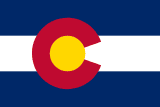
Colorado
CO · Data from 2022–2023 government sources · West · 50 States Learning Path
Colorado, the Centennial State, is synonymous with the Rocky Mountains and outdoor adventure. With an average elevation of 6,800 feet — the highest of any state — Colorado is a year-round destination for skiing, hiking, mountain biking, and whitewater rafting. The state combines rugged mountain wilderness with vibrant urban culture in cities like Denver and Boulder.
Think you know Colorado? Test your geography skills.
History
Colorado's earliest inhabitants were Paleo-Indians who arrived over 13,000 years ago. The Ancestral Puebloans built elaborate cliff dwellings at what is now Mesa Verde National Park. Spain, France, and Mexico all claimed portions of the territory before the U.S. acquired it through the Louisiana Purchase and the Mexican-American War. The 1858 Pike's Peak Gold Rush brought a flood of settlers, and Colorado became the 38th state on August 1, 1876 — the centennial of American independence, earning its nickname.
Economy
Colorado's economy is driven by aerospace and defense, technology, energy, tourism, and agriculture. The Denver Tech Center is a major hub for telecommunications and software companies. The state is a leader in craft brewing, with over 400 breweries. Tourism generates more than $24 billion annually, with ski resorts like Vail, Aspen, and Breckenridge drawing visitors worldwide. Colorado is also a significant producer of cattle, wheat, and hay.
Geography & Landmarks
Colorado covers 104,094 square miles and contains 58 peaks over 14,000 feet (known as 'fourteeners'). The Continental Divide runs through the state, separating watersheds flowing to the Atlantic from those flowing to the Pacific. The eastern third of the state is Great Plains grassland, the central portion is dominated by the Front Range of the Rockies, and the western slope features mesa country and high desert. Four major rivers — the Colorado, Arkansas, Rio Grande, and South Platte — originate in Colorado. The Royal Gorge near Canon City plunges 1,250 feet to the Arkansas River below, and the Royal Gorge Bridge, built in 1929, was the world's highest suspension bridge for nearly 75 years. Great Sand Dunes National Park in the San Luis Valley features dunes rising over 750 feet, the tallest in North America.
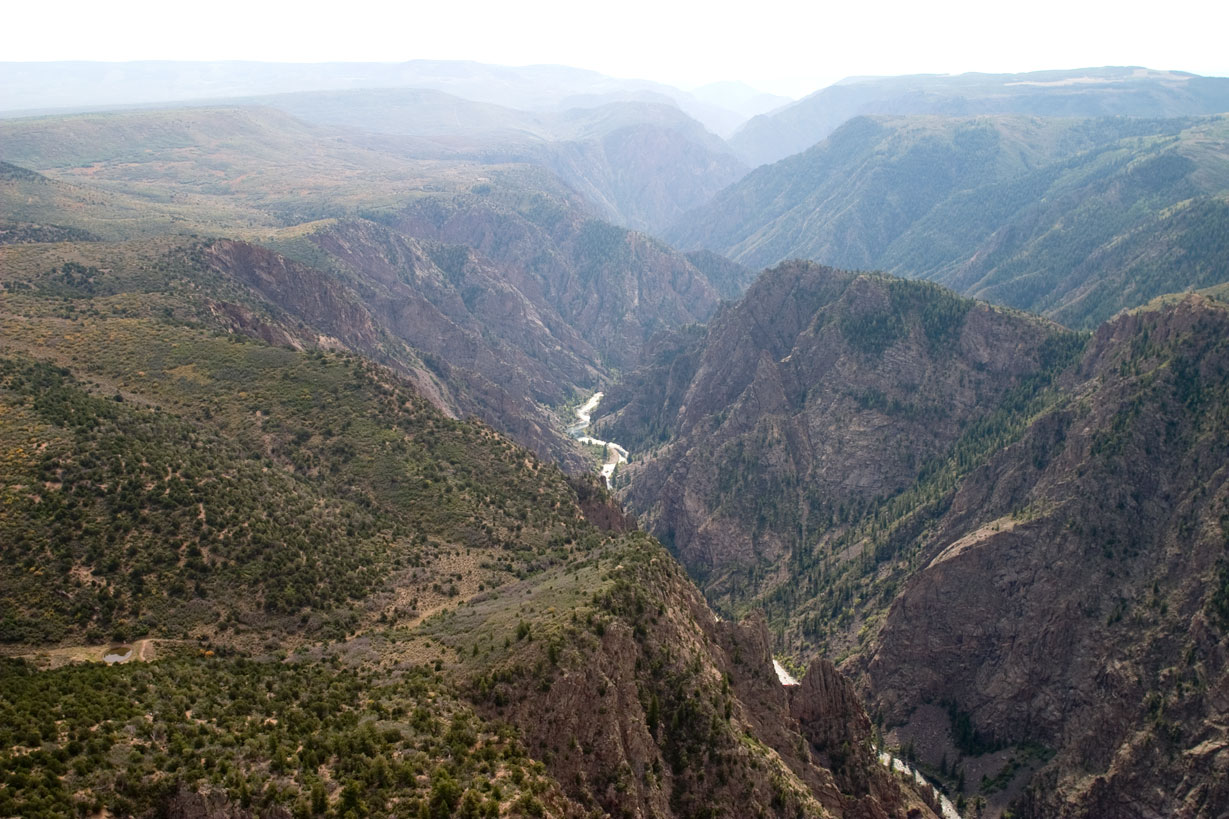
Black Canyon Of The Gunnison National Park — NPS Photo/Lynch
Source: NPS API
Culture & Traditions
Colorado's culture is defined by its outdoor lifestyle, with skiing, mountain biking, and trail running woven into the state's identity. The Telluride Film Festival, launched in 1974, has become one of the most prestigious film events in the world, frequently previewing Academy Award contenders. Denver's craft beer scene is among the nation's best, with the Great American Beer Festival held in Denver each year since 1982 attracting over 60,000 attendees and showcasing more than 3,500 beers. Red Rocks Amphitheatre near Morrison, a naturally formed outdoor concert venue carved from 300-million-year-old sandstone, is considered one of the finest music venues on Earth and has hosted legendary performances by The Beatles, U2, and Widespread Panic. The Denver Broncos command a loyal following, and the Colorado Avalanche brought Stanley Cup championships in 1996, 2001, and 2022.
Notable Cities
Denver
CapitalThe Mile High City sits at exactly 5,280 feet elevation. Colorado's capital is a thriving metro of nearly 3 million people known for its craft beer scene, outdoor access, and booming tech sector.
710,800
Population
$85,853
Median income
$540,400
Home value
$1,665
Median rent
34.9
Median age
4.6%
Unemployment
49.4%
Homeownership
172,213
Bachelor's+
Colorado Springs
Home to the U.S. Olympic and Paralympic Training Center, the Air Force Academy, and the iconic Garden of the Gods park with dramatic red rock formations.
Boulder
A college town at the foot of the Flatirons, known for the University of Colorado, progressive culture, tech startups, and world-class trail access.
Aspen
A former silver mining town turned world-renowned ski resort and cultural destination, hosting the Aspen Ideas Festival and a vibrant arts scene.
Fort Collins
Home to Colorado State University and a craft beer hub that claims to be the Napa Valley of beer, with major breweries like New Belgium and Odell.
Capital city data: Census Bureau ACS 5-Year (2022)
Intel File · Fun Facts
Colorado has 58 mountain peaks above 14,000 feet, the most 'fourteeners' of any state.
The Eisenhower Tunnel on I-70 is the highest point on the Interstate Highway System at 11,158 feet.
Denver's Coors Field has a row of purple seats in the upper deck marking exactly 5,280 feet (one mile) above sea level.
Mesa Verde National Park protects over 5,000 archaeological sites, including 600 cliff dwellings built by Ancestral Puebloans.
The headwaters of the Colorado River, which carved the Grand Canyon and supplies water to 40 million people, originate in Rocky Mountain National Park.
Printable Worksheet
Free, GeoProwl-branded, classroom-ready.
Download the Colorado Worksheet (PDF)
One page · ready to print at home or in class
Nickname
The Centennial State
Motto
Nil Sine Numine (Nothing Without Providence)
State Bird
Lark Bunting
State Flower
Rocky Mountain Columbine
State Tree
Colorado Blue Spruce
Also included: fill in what you learned
1. Colorado has 58 mountain peaks above 14,000 feet, the most 'fourteeners' of any state.
2. The Eisenhower Tunnel on I-70 is the highest point on the Interstate Highway System at 11,158 feet.
3. Denver's Coors Field has a row of purple seats in the upper deck marking exactly 5,280 feet (one mile) above sea level.
4. Mesa Verde National Park protects over 5,000 archaeological sites, including 600 cliff dwellings built by Ancestral Puebloans.
Want all 50 states?
One PDF packet, every state, ready to print for the whole class.
Pair it with a math worksheet
Four Fours Challenge: build every number 1–100 using exactly four 4s.
Data & Statistics
Demographics
- Population
- 5,770,790
- Median income
- $87,598
- Median age
- 37.3
- Median home value
- $465,900
- Below poverty line
- 540,105
- Bachelor's degree+
- 1,083,618
Source: U.S. Census Bureau, ACS 5-Year Estimates (2022)
Agriculture
- Total farms
- 36,056
- Cropland
- 10,479,125 acres
- Market value
- $9,223M
Source: USDA NASS, Census of Agriculture (2022)
Public Health
- Obesity rate
- 24.8%
- Diabetes rate
- 8.6%
- Smoking rate
- 10.2%
- High blood pressure
- 27.3%
- Uninsured
- 9.2%
Source: CDC BRFSS Prevalence Data (2023, 2022 fallback)
National Parks & Sites
- National parks
- 4
- Total NPS sites
- 17
- Sites
- Amache National Historic Site, Bent's Old Fort National Historic Site, Black Canyon Of The Gunnison National Park, California National Historic Trail, Colorado National Monument, Curecanti National Recreation Area, Dinosaur National Monument, Florissant Fossil Beds National Monument, Great Sand Dunes National Park & Preserve, Hovenweep National Monument, Mesa Verde National Park, Old Spanish National Historic Trail, Pony Express National Historic Trail, Rocky Mountain National Park, Sand Creek Massacre National Historic Site, Santa Fe National Historic Trail, Yucca House National Monument
Source: National Park Service API
Climate
- Avg temperature
- 47.3°F
- Avg high
- 62.0°F
- Avg low
- 32.5°F
- Annual precipitation
- 16.6 in
- Annual snowfall
- 48.9 in
Source: NOAA Climate Normals (2010)
Frequently Asked Questions
What is the capital of Colorado?▾
Denver is the capital of Colorado. Known as the Mile High City, it sits at exactly 5,280 feet above sea level at the western edge of the Great Plains, with panoramic views of the Rocky Mountains.
Why is Colorado called the Centennial State?▾
Colorado became a state on August 1, 1876 — exactly 100 years after the signing of the Declaration of Independence. This centennial timing earned it the nickname 'The Centennial State.'
How many ski resorts are in Colorado?▾
Colorado has about 30 ski resorts, including world-famous destinations like Vail, Aspen, Breckenridge, Steamboat Springs, and Telluride. The state averages over 300 inches of snowfall annually in its mountain areas.
What is a fourteener?▾
A fourteener is a mountain peak that rises above 14,000 feet in elevation. Colorado has 58 fourteeners, the most of any state. Climbing all 58 is a popular challenge for hikers and mountaineers.
Data sources
U.S. Census Bureau · USDA NASS · CDC BRFSS · National Park Service · NOAA CDO
This product uses the Census Bureau Data API but is not endorsed or certified by the Census Bureau. This product uses the NASS API but is not endorsed or certified by NASS.
Test your knowledge →
Play today's GeoProwl daily challenge — 10 states, 3 clues each, powered by real data.