
Ohio
OH · Data from 2022–2023 government sources · Midwest · 50 States Learning Path
Ohio, the Buckeye State, is a Midwestern powerhouse that has shaped American industry, politics, and culture. From the steel mills of Cleveland to the innovation corridors of Columbus, Ohio is the seventh-most-populous state and a perennial political battleground. The state has produced eight U.S. presidents — more than any state except Virginia — and the Wright Brothers and John Glenn, putting Ohio at the intersection of flight and space exploration.
Think you know Ohio? Test your geography skills.
History
Ohio was home to the mound-building cultures that constructed elaborate earthworks, including the Serpent Mound. The Northwest Ordinance of 1787 established Ohio as part of the Northwest Territory, and it became the 17th state on March 1, 1803. Ohio was a critical stop on the Underground Railroad and contributed heavily to the Union during the Civil War. The state's industrial growth in the late 1800s, driven by steel, rubber (Akron), and manufacturing, made it an economic powerhouse.
Economy
Ohio has a $720 billion economy driven by manufacturing, healthcare, financial services, and technology. The state is a top manufacturer of automobiles, steel, and aerospace components. Columbus has one of the fastest-growing tech sectors in the Midwest, and Intel is building a $20 billion semiconductor fabrication facility near the city. Cleveland Clinic and Nationwide Children's Hospital are world-class healthcare institutions. Agriculture — soybeans, corn, dairy, and eggs — remains significant.
Geography & Landmarks
Ohio covers 44,826 square miles with gentle terrain. Lake Erie forms the northern border, providing 312 miles of coastline. The Appalachian foothills in the southeast are the most rugged region. The central and western parts are flat agricultural land. Cuyahoga Valley National Park between Cleveland and Akron preserves river gorges and waterfalls. Hocking Hills in southeastern Ohio features dramatic sandstone cliffs and caves. The Cuyahoga River became infamous when its polluted waters caught fire in 1969, catalyzing the modern environmental movement and leading to the creation of the EPA. Ohio's Lake Erie Islands, including Put-in-Bay on South Bass Island, have been popular resort destinations since the 1800s.
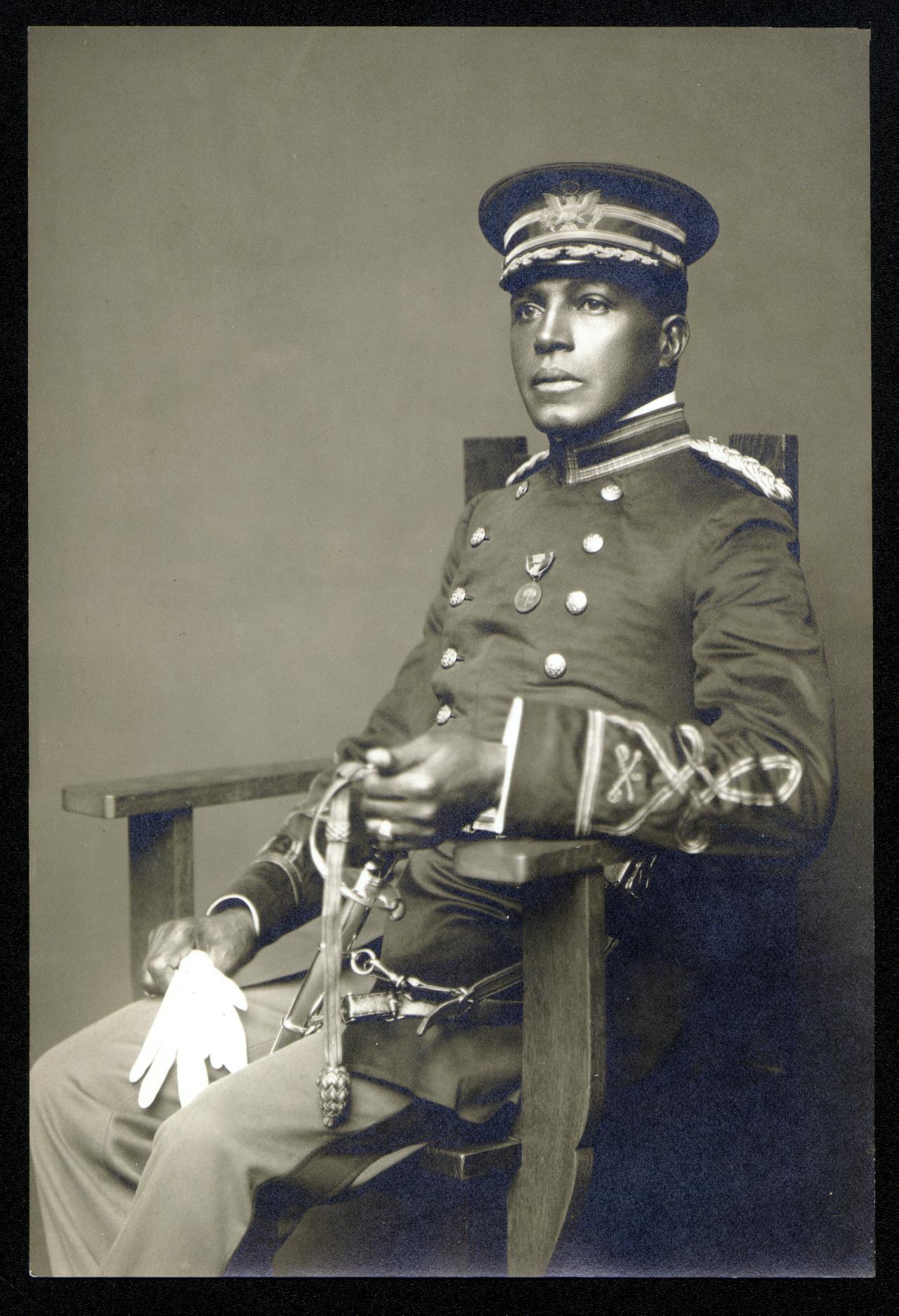
Charles Young Buffalo Soldiers National Monument — National Afro-American Museum & Cultural Center
Source: NPS API
Culture & Traditions
Ohio has produced an extraordinary number of cultural icons, from aviation pioneers (the Wright Brothers from Dayton, John Glenn from Cambridge, Neil Armstrong from Wapakoneta) to rock and roll legends. Cleveland is home to the Rock and Roll Hall of Fame, established in 1983, recognizing the city's role as the place where DJ Alan Freed coined the term 'rock and roll' in the 1950s. Cincinnati's chili culture is unique in America — Cincinnati-style chili, served over spaghetti with cheese, onions, and beans, was introduced by Macedonian immigrants in the 1920s and is available at over 180 chili parlors citywide. The Ohio State Buckeyes football program is one of the most successful in college football history, with Ohio Stadium (the Horseshoe) seating over 102,000 fans. Cincinnati's Art Museum, the Columbus Museum of Art, and the Cleveland Museum of Art (with free general admission) form a world-class corridor of visual arts across the state.
Notable Cities
Columbus
CapitalThe state capital and Ohio's largest city, home to The Ohio State University. One of the fastest-growing cities in the Midwest with a booming tech, food, and arts scene.
902,449
Population
$62,994
Median income
$212,500
Home value
$1,161
Median rent
32.7
Median age
5.2%
Unemployment
44.7%
Homeownership
145,600
Bachelor's+
Cleveland
A Lake Erie city known for the Rock & Roll Hall of Fame, the Cleveland Clinic, and a passionate sports culture.
Cincinnati
A city on the Ohio River with a revitalized downtown, Over-the-Rhine neighborhood, world-class chili (yes, it's divisive), and a rich German heritage.
Dayton
The birthplace of aviation — Orville and Wilbur Wright built their first airplane in their Dayton bicycle shop. The National Museum of the U.S. Air Force is the world's largest military aviation museum.
Akron
The former Rubber Capital of the World (Goodyear, Firestone) and hometown of LeBron James. Home to the University of Akron's renowned polymer science program.
Capital city data: Census Bureau ACS 5-Year (2022)
Intel File · Fun Facts
Ohio has produced eight U.S. presidents: William Henry Harrison, Ulysses S. Grant, Rutherford B. Hayes, James Garfield, Benjamin Harrison, William McKinley, William Howard Taft, and Warren G. Harding.
The Wright Brothers were from Dayton, and Neil Armstrong (first person on the Moon) was from Wapakoneta, making Ohio 'the birthplace of aviation and space exploration.'
The Rock & Roll Hall of Fame is in Cleveland because DJ Alan Freed popularized the term 'rock and roll' while working at a Cleveland radio station in the 1950s.
Ohio is the birthplace of the hot dog, the cash register, and the pop-top can.
Cedar Point amusement park in Sandusky has more roller coasters (17) than almost any other park in the world.
Printable Worksheet
Free, GeoProwl-branded, classroom-ready.
Download the Ohio Worksheet (PDF)
One page · ready to print at home or in class
Nickname
The Buckeye State
Motto
With God, All Things Are Possible
State Bird
Northern Cardinal
State Flower
Scarlet Carnation
State Tree
Ohio Buckeye
Also included: fill in what you learned
1. Ohio has produced eight U.S. presidents: William Henry Harrison, Ulysses S. Grant, Rutherford B. Hayes, James Garfield, Benjamin Harrison, William McKinley, William Howard Taft, and Warren G. Harding.
2. The Wright Brothers were from Dayton, and Neil Armstrong (first person on the Moon) was from Wapakoneta, making Ohio 'the birthplace of aviation and space exploration.'
3. The Rock & Roll Hall of Fame is in Cleveland because DJ Alan Freed popularized the term 'rock and roll' while working at a Cleveland radio station in the 1950s.
4. Ohio is the birthplace of the hot dog, the cash register, and the pop-top can.
Want all 50 states?
One PDF packet, every state, ready to print for the whole class.
Pair it with a math worksheet
Four Fours Challenge: build every number 1–100 using exactly four 4s.
Data & Statistics
Demographics
- Population
- 11,774,683
- Median income
- $66,990
- Median age
- 39.6
- Median home value
- $183,300
- Below poverty line
- 1,526,507
- Bachelor's degree+
- 1,515,763
Source: U.S. Census Bureau, ACS 5-Year Estimates (2022)
Agriculture
- Total farms
- 76,009
- Cropland
- 10,521,756 acres
- Market value
- $15,412M
Source: USDA NASS, Census of Agriculture (2022)
Public Health
- Obesity rate
- 36.4%
- Diabetes rate
- 13.2%
- Smoking rate
- 15.0%
- High blood pressure
- 37.2%
- Uninsured
- 6.0%
Source: CDC BRFSS Prevalence Data (2023, 2022 fallback)
National Parks & Sites
- National parks
- 1
- Total NPS sites
- 10
- Sites
- Charles Young Buffalo Soldiers National Monument, Cuyahoga Valley National Park, Dayton Aviation Heritage National Historical Park, First Ladies National Historic Site, Hopewell Culture National Historical Park, James A Garfield National Historic Site, Lewis & Clark National Historic Trail, North Country National Scenic Trail, Perry's Victory & International Peace Memorial, William Howard Taft National Historic Site
Source: National Park Service API
Climate
- Avg temperature
- 51.1°F
- Avg high
- 61.1°F
- Avg low
- 41.2°F
- Annual precipitation
- 39.6 in
- Annual snowfall
- 21.3 in
Source: NOAA Climate Normals (2010)
Frequently Asked Questions
What is the capital of Ohio?▾
Columbus is the capital of Ohio and the state's largest city. It is home to The Ohio State University and has one of the most diverse and fastest-growing economies in the Midwest.
Why has Ohio produced so many presidents?▾
Ohio produced eight presidents partly because of its political importance as a large, politically diverse swing state in the 19th century. Candidates from Ohio were considered 'safe' nominees who could appeal to both Northern and Southern interests.
What is the Buckeye State?▾
Ohio is called the Buckeye State after the Ohio buckeye tree, which is abundant in the state. The buckeye nut (with its brown color and pale eye-shaped spot) is the state tree symbol, and 'Buckeyes' is the name of Ohio State University's athletic teams.
What is Cincinnati chili?▾
Cincinnati chili is a distinctive regional dish: a thin, spiced meat sauce (with cinnamon, chocolate, and allspice) served over spaghetti. A '3-way' adds cheese; a '4-way' adds onions or beans; a '5-way' has both. Skyline Chili and Gold Star are the rival chains.
Data sources
U.S. Census Bureau · USDA NASS · CDC BRFSS · National Park Service · NOAA CDO
This product uses the Census Bureau Data API but is not endorsed or certified by the Census Bureau. This product uses the NASS API but is not endorsed or certified by NASS.
Test your knowledge →
Play today's GeoProwl daily challenge — 10 states, 3 clues each, powered by real data.