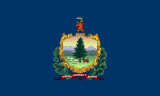
Vermont
VT · Data from 2022–2023 government sources · Northeast · 50 States Learning Path
Vermont, the Green Mountain State, is a small, rural New England state known for its covered bridges, maple syrup, fall foliage, and fierce commitment to local food and environmental stewardship. With a population under 650,000 — the second-least-populous state — Vermont offers a pace of life and a set of values that set it apart from much of America.
Think you know Vermont? Test your geography skills.
History
Vermont has a uniquely independent history. Before statehood, it existed as the independent Vermont Republic from 1777 to 1791. Its constitution was the first in America to ban adult slavery and establish universal male suffrage without property requirements. Vermont became the 14th state in 1791 — the first state added after the original 13. The state's granite quarries, marble deposits, and dairy farms shaped its economy through the 19th and 20th centuries.
Economy
Vermont's economy centers on tourism, agriculture, manufacturing, and technology. The state produces more maple syrup than any other (about 50% of the U.S. supply). Tourism generates over $3 billion annually from skiing (Stowe, Killington), fall foliage, and summer recreation. Notable companies include Ben & Jerry's (founded in Burlington), Cabot Creamery, and Green Mountain Coffee Roasters (now Keurig Dr Pepper). Vermont has a thriving craft beer scene — Hill Farmstead and The Alchemist are consistently ranked among the world's best breweries.
Geography & Landmarks
Vermont covers 9,616 square miles — the sixth-smallest state. The Green Mountains run north-south through the center, giving the state its name (from the French 'vert mont'). Mount Mansfield at 4,393 feet is the highest peak. Lake Champlain forms much of the western border with New York. The state is 78% forested, making fall foliage drives among the most spectacular in New England. The Long Trail, running 272 miles along the spine of the Green Mountains, was the first long-distance hiking trail in the United States, completed in 1930 and serving as inspiration for the Appalachian Trail. Lake Champlain stretches 120 miles and has its own reported lake monster, Champ, sighted since the era of Samuel de Champlain.
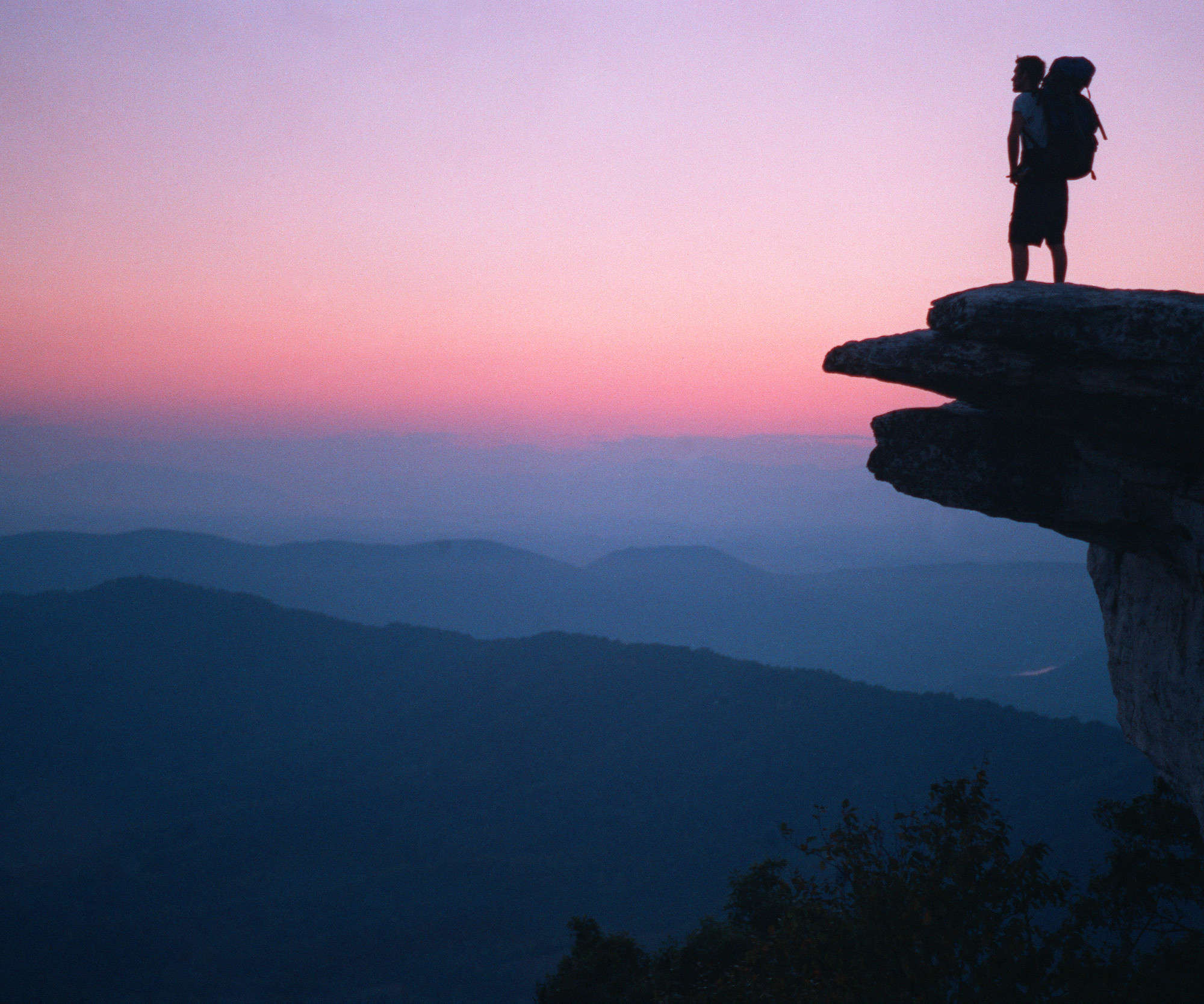
Appalachian National Scenic Trail — Photo Credit: ATC/Benjamin Hays
Source: NPS API
Culture & Traditions
Vermont's cultural identity revolves around its artisanal traditions, progressive values, and deep connection to the land. The state produces more maple syrup than any other in the country (about 50% of the U.S. supply), and sugarhouses open their doors each spring during Vermont Maple Open House Weekend. Vermont's craft beer and artisan cheese movements are nationally influential — the Vermont Cheesemakers Festival showcases over 40 producers, and the state has more craft breweries per capita than any other, led by The Alchemist (whose Heady Topper is consistently rated among the world's best beers) and Hill Farmstead. The Bread and Puppet Theater in Glover has staged politically charged puppet spectacles since 1963, and the Shelburne Museum in Shelburne houses an eclectic collection of Americana across 39 buildings on 45 acres. Ben & Jerry's ice cream, founded in a renovated Burlington gas station in 1978, offers factory tours in Waterbury that are among the most visited attractions in the state.
Notable Cities
Montpelier
CapitalThe least-populous state capital in the United States (about 8,000 people) and the only one without a McDonald's. A charming, walkable town with excellent local restaurants.
8,030
Population
$76,143
Median income
$326,800
Home value
$1,155
Median rent
44.0
Median age
3.0%
Unemployment
55.8%
Homeownership
2,169
Bachelor's+
Burlington
Vermont's largest city (population ~45,000) on the shores of Lake Champlain. Home to the University of Vermont, Church Street Marketplace, and a nationally known food and craft beer scene.
Stowe
A quintessential New England village and one of the top ski resorts in the East. Mount Mansfield and the Trapp Family Lodge (of Sound of Music fame) are major draws.
Woodstock
One of the prettiest small towns in America, with a covered bridge in the center of town, the Billings Farm, and Marsh-Billings-Rockefeller National Historical Park.
Brattleboro
A creative small town in southern Vermont known for its arts community, independent bookstores, and the annual Strolling of the Heifers festival.
Capital city data: Census Bureau ACS 5-Year (2022)
Intel File · Fun Facts
Vermont produces about 50% of the maple syrup made in the United States — over 2 million gallons annually.
Montpelier, Vermont is the only U.S. state capital without a McDonald's restaurant.
Ben & Jerry's was founded in a renovated gas station in Burlington in 1978 with a $12,000 investment.
Vermont was the first state to abolish slavery in its constitution (1777) and the first to establish universal male suffrage without property requirements.
The Vermont Republic existed as an independent nation from 1777 to 1791, with its own constitution, currency, and postal service.
Printable Worksheet
Free, GeoProwl-branded, classroom-ready.
Download the Vermont Worksheet (PDF)
One page · ready to print at home or in class
Nickname
The Green Mountain State
Motto
Freedom and Unity
State Bird
Hermit Thrush
State Flower
Red Clover
State Tree
Sugar Maple
Also included: fill in what you learned
1. Vermont produces about 50% of the maple syrup made in the United States — over 2 million gallons annually.
2. Montpelier, Vermont is the only U.S. state capital without a McDonald's restaurant.
3. Ben & Jerry's was founded in a renovated gas station in Burlington in 1978 with a $12,000 investment.
4. Vermont was the first state to abolish slavery in its constitution (1777) and the first to establish universal male suffrage without property requirements.
Want all 50 states?
One PDF packet, every state, ready to print for the whole class.
Pair it with a math worksheet
Four Fours Challenge: build every number 1–100 using exactly four 4s.
Data & Statistics
Demographics
- Population
- 643,816
- Median income
- $74,014
- Median age
- 42.9
- Median home value
- $272,400
- Below poverty line
- 64,739
- Bachelor's degree+
- 111,614
Source: U.S. Census Bureau, ACS 5-Year Estimates (2022)
Agriculture
- Total farms
- 6,537
- Cropland
- 436,297 acres
- Market value
- $1,033M
Source: USDA NASS, Census of Agriculture (2022)
Public Health
- Obesity rate
- 28.8%
- Diabetes rate
- 9.3%
- Smoking rate
- 11.3%
- High blood pressure
- 32.4%
- Uninsured
- 3.8%
Source: CDC BRFSS Prevalence Data (2023, 2022 fallback)
National Parks & Sites
- National parks
- 0
- Total NPS sites
- 3
- Sites
- Appalachian National Scenic Trail, Marsh - Billings - Rockefeller National Historical Park, North Country National Scenic Trail
Source: National Park Service API
Climate
- Avg temperature
- 43.6°F
- Avg high
- 54.8°F
- Avg low
- 32.3°F
- Annual precipitation
- 43.4 in
- Annual snowfall
- 81.8 in
Source: NOAA Climate Normals (2010)
Frequently Asked Questions
What is the capital of Vermont?▾
Montpelier is the capital of Vermont. With a population of about 8,000, it is the least-populous state capital in the United States.
When is the best time to see fall foliage in Vermont?▾
Peak fall foliage in Vermont typically occurs from late September to mid-October, moving from north to south. The Green Mountains, Route 100, and the Mad River Valley are among the most popular foliage-viewing routes.
What is Vermont known for?▾
Vermont is known for maple syrup (the #1 U.S. producer), fall foliage, skiing (Stowe, Killington), covered bridges, Ben & Jerry's ice cream, craft beer, Cabot cheese, and a strong farm-to-table food culture.
How rural is Vermont?▾
Vermont is the most rural state in the continental U.S. by many measures. It has no city with more than 50,000 people. Burlington, the largest city, has about 45,000 residents. The state has no billboards (banned since 1968) and values its pastoral landscape.
Data sources
U.S. Census Bureau · USDA NASS · CDC BRFSS · National Park Service · NOAA CDO
This product uses the Census Bureau Data API but is not endorsed or certified by the Census Bureau. This product uses the NASS API but is not endorsed or certified by NASS.
Test your knowledge →
Play today's GeoProwl daily challenge — 10 states, 3 clues each, powered by real data.