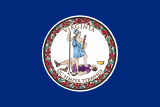
Virginia
VA · Data from 2022–2023 government sources · Southeast · 50 States Learning Path
Virginia, the Old Dominion, is where English America began and where many of the nation's founding ideals took shape. From the first permanent English settlement at Jamestown (1607) to the surrender at Appomattox that ended the Civil War, Virginia has been at the center of American history. Today, it is one of the most economically dynamic states, powered by the federal government, technology, military installations, and a booming Northern Virginia corridor.
Think you know Virginia? Test your geography skills.
History
Virginia was the site of Jamestown (1607), the first permanent English settlement in North America. The colony became a cradle of American independence — George Washington, Thomas Jefferson, James Madison, and James Monroe were all Virginians. Virginia was the most powerful state in the early republic, providing four of the first five presidents. During the Civil War, Richmond served as the Confederate capital, and more battles were fought on Virginia soil than in any other state. Virginia's history also includes the dark legacy of slavery — the first Africans brought to English North America arrived at Point Comfort in 1619.
Economy
Virginia's economy is one of the strongest and most diversified in the nation. Northern Virginia, adjacent to Washington D.C., is a technology and defense industry powerhouse — Amazon's HQ2 is in Arlington, and the Dulles Technology Corridor includes major government contractors and data centers. The Pentagon, CIA, and numerous military bases make defense spending a major economic driver. Virginia is also a leader in agriculture (particularly tobacco, wine, and peanuts), shipbuilding (Newport News Shipbuilding), and tourism.
Geography & Landmarks
Virginia covers 42,775 square miles with five distinct geographic regions: the Coastal Plain (Tidewater), Piedmont, Blue Ridge, Valley and Ridge, and Appalachian Plateau. Shenandoah National Park and the Blue Ridge Parkway offer stunning mountain scenery. The Chesapeake Bay borders the east. Virginia Beach has one of the longest pleasure beaches in the world. The state extends from sea level to 5,729 feet at Mount Rogers. The Chesapeake Bay Bridge-Tunnel connecting Virginia's Eastern Shore to the Hampton Roads mainland spans 17.6 miles, making it one of the longest bridge-tunnel complexes in the world. Shenandoah National Park protects 200,000 acres along the crest of the Blue Ridge Mountains, with Skyline Drive running 105 miles along the ridgeline.
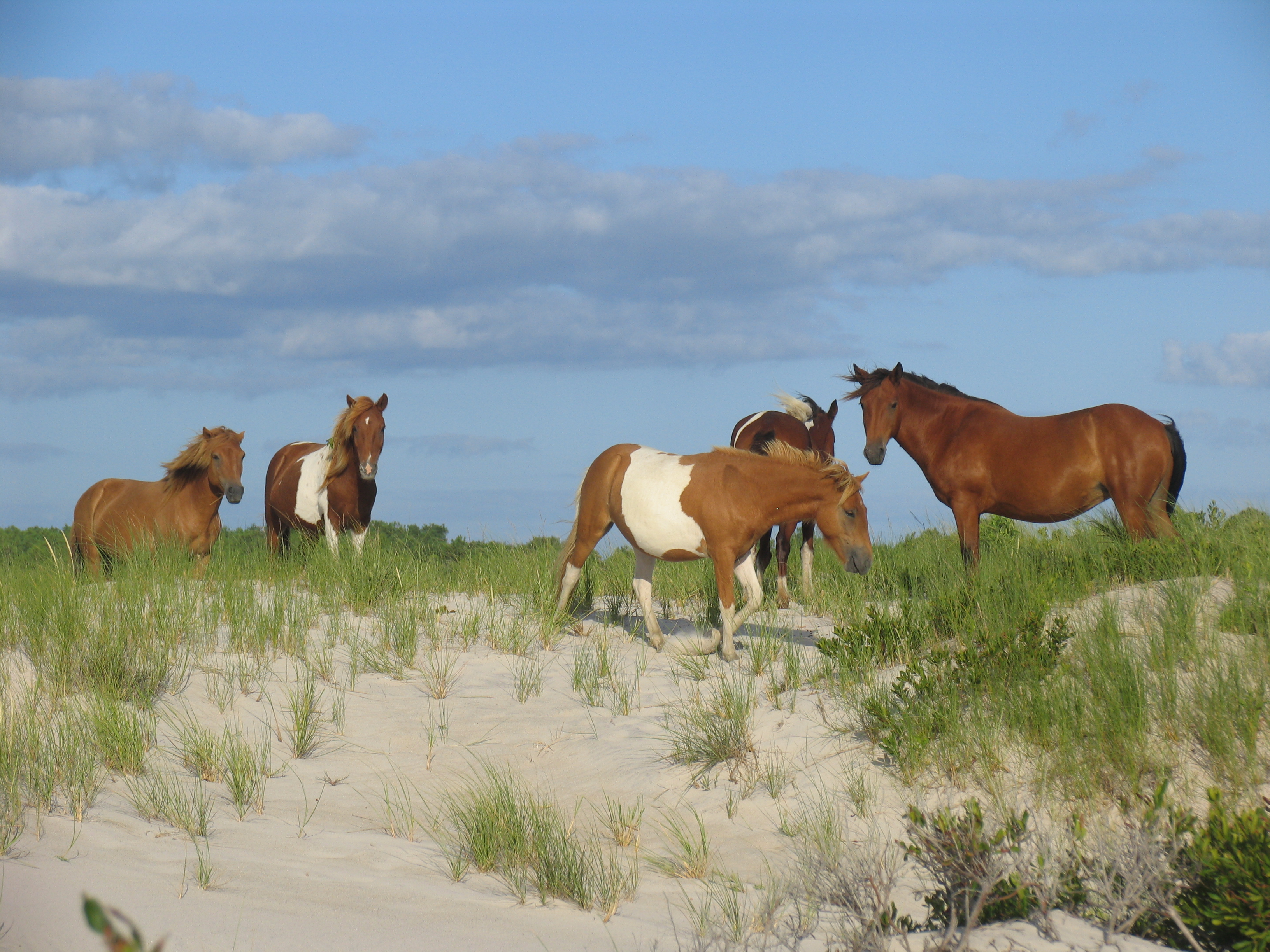
Assateague Island National Seashore — NPS Photo
Source: NPS API
Culture & Traditions
Virginia's cultural heritage is woven into the fabric of America itself, from the first permanent English settlement at Jamestown (1607) to the presidential estates of Mount Vernon, Monticello, and Montpelier. The state's literary tradition includes Edgar Allan Poe (who lived in Richmond), Tom Wolfe, and Pulitzer Prize-winning novelist William Styron. Virginia's culinary identity features Smithfield ham (salt-cured since the colonial era), Brunswick stew, Virginia peanuts, and a thriving wine industry with over 300 wineries — the most of any state south of New York. The Virginia Museum of Fine Arts in Richmond is one of the largest comprehensive art museums in the country with free general admission. The Barter Theatre in Abingdon, the State Theatre of Virginia and the longest-running professional theatre in the country, was founded in 1933 when patrons bartered produce for admission during the Depression.
Notable Cities
Richmond
CapitalThe state capital and former capital of the Confederacy. A city rich in history, with a revitalized downtown, world-class museums, and the James River running through it.
227,171
Population
$59,606
Median income
$308,300
Home value
$1,227
Median rent
34.5
Median age
6.0%
Unemployment
43.2%
Homeownership
41,357
Bachelor's+
Virginia Beach
The most populous city in Virginia and a major resort destination with miles of Atlantic beaches, a lively boardwalk, and a strong military presence.
Arlington
Home to the Pentagon, Arlington National Cemetery, and Amazon's HQ2. One of the most affluent and educated communities in the country.
Charlottesville
Home to the University of Virginia (designed by Thomas Jefferson) and Jefferson's Monticello. A college town in the Blue Ridge foothills with a thriving wine and food scene.
Williamsburg
Home to Colonial Williamsburg, the world's largest living history museum, and the College of William & Mary (founded 1693, the second-oldest college in America).
Capital city data: Census Bureau ACS 5-Year (2022)
Intel File · Fun Facts
Virginia has produced more U.S. presidents (8) than any other state: Washington, Jefferson, Madison, Monroe, W.H. Harrison, Tyler, Taylor, and Wilson.
The Pentagon in Arlington is the world's largest office building, with 6.5 million square feet of floor space and over 17 miles of corridors.
Virginia's Shenandoah Valley is home to over 40 wineries — the state ranks fifth nationally in wine production.
The Chesapeake Bay Bridge-Tunnel, connecting Virginia's Eastern Shore to Virginia Beach, spans 17.6 miles over and under the bay.
The first Thanksgiving in America may have been at Berkeley Plantation, Virginia in 1619 — two years before the Pilgrims' celebration at Plymouth.
Printable Worksheet
Free, GeoProwl-branded, classroom-ready.
Download the Virginia Worksheet (PDF)
One page · ready to print at home or in class
Nickname
The Old Dominion
Motto
Sic Semper Tyrannis (Thus Always to Tyrants)
State Bird
Northern Cardinal
State Flower
American Dogwood
State Tree
Flowering Dogwood
Also included: fill in what you learned
1. Virginia has produced more U.S. presidents (8) than any other state: Washington, Jefferson, Madison, Monroe, W.H. Harrison, Tyler, Taylor, and Wilson.
2. The Pentagon in Arlington is the world's largest office building, with 6.5 million square feet of floor space and over 17 miles of corridors.
3. Virginia's Shenandoah Valley is home to over 40 wineries — the state ranks fifth nationally in wine production.
4. The Chesapeake Bay Bridge-Tunnel, connecting Virginia's Eastern Shore to Virginia Beach, spans 17.6 miles over and under the bay.
Want all 50 states?
One PDF packet, every state, ready to print for the whole class.
Pair it with a math worksheet
Four Fours Challenge: build every number 1–100 using exactly four 4s.
Data & Statistics
Demographics
- Population
- 8,624,511
- Median income
- $87,249
- Median age
- 38.7
- Median home value
- $339,800
- Below poverty line
- 836,686
- Bachelor's degree+
- 1,366,160
Source: U.S. Census Bureau, ACS 5-Year Estimates (2022)
Agriculture
- Total farms
- 38,995
- Cropland
- 2,884,293 acres
- Market value
- $5,492M
Source: USDA NASS, Census of Agriculture (2022)
Public Health
- Obesity rate
- 34.3%
- Diabetes rate
- 11.8%
- Smoking rate
- 10.9%
- High blood pressure
- 35.6%
- Uninsured
- 7.9%
Source: CDC BRFSS Prevalence Data (2023, 2022 fallback)
National Parks & Sites
- National parks
- 1
- Total NPS sites
- 33
- Sites
- Appalachian National Scenic Trail, Appomattox Court House National Historical Park, Arlington House, The Robert E. Lee Memorial, Assateague Island National Seashore, Blue Ridge Parkway, Booker T Washington National Monument, Cape Henry Memorial Part of Colonial National Historical Park, Captain John Smith Chesapeake National Historic Trail, Cedar Creek & Belle Grove National Historical Park, Chesapeake Bay, Civil War Defenses of Washington, Colonial National Historical Park, Cumberland Gap National Historical Park, Fort Monroe National Monument, Fredericksburg & Spotsylvania National Military Park, George Washington Birthplace National Monument, George Washington Memorial Parkway, Great Falls Park, Green Springs, Harpers Ferry National Historical Park, Historic Jamestowne Part of Colonial National Historical Park, Maggie L Walker National Historic Site, Manassas National Battlefield Park, Overmountain Victory National Historic Trail, Petersburg National Battlefield, Potomac Heritage National Scenic Trail, Prince William Forest Park, Richmond National Battlefield Park, Shenandoah National Park, Star-Spangled Banner National Historic Trail, Washington-Rochambeau Revolutionary Route National Historic Trail, Wolf Trap National Park for the Performing Arts, Yorktown Battlefield Part of Colonial National Historical Park
Source: National Park Service API
Climate
- Avg temperature
- 55.9°F
- Avg high
- 67.3°F
- Avg low
- 44.2°F
- Annual precipitation
- 44.3 in
- Annual snowfall
- 13.4 in
Source: NOAA Climate Normals (2010)
Frequently Asked Questions
What is the capital of Virginia?▾
Richmond is the capital of Virginia. It was also the capital of the Confederate States of America during most of the Civil War (1861-1865).
What is Northern Virginia (NoVA)?▾
Northern Virginia (NoVA) refers to the suburban counties and cities adjacent to Washington, D.C. — primarily Arlington, Fairfax, Loudoun, and Prince William counties. It is one of the wealthiest and most educated regions in the country, driven by federal government, technology, and defense industries.
What is Colonial Williamsburg?▾
Colonial Williamsburg in Williamsburg, Virginia is the world's largest living history museum. It recreates the 18th-century colonial capital with over 500 restored buildings, costumed interpreters, and working tradespeople. About 4 million people visit annually.
What is the significance of Jamestown?▾
Jamestown, established in 1607, was the first permanent English settlement in North America. It was the capital of Virginia for most of the 17th century. The settlement's story includes Captain John Smith, Pocahontas, the introduction of enslaved Africans (1619), and the first representative assembly in America (the House of Burgesses, 1619).
Data sources
U.S. Census Bureau · USDA NASS · CDC BRFSS · National Park Service · NOAA CDO
This product uses the Census Bureau Data API but is not endorsed or certified by the Census Bureau. This product uses the NASS API but is not endorsed or certified by NASS.
Test your knowledge →
Play today's GeoProwl daily challenge — 10 states, 3 clues each, powered by real data.