July 21, 2026 · The Geography Traveler
Which National Park Should You Visit? 7 Parks, Compared With Real Data
Every travel blog has a "Yosemite vs. Sequoia" table that looks like every other travel blog's table. This one is built from NPS park-facts pages, not adjectives: real acreage, real elevation, real visitor numbers, for Yellowstone, Yosemite, Sequoia & Kings Canyon, Grand Canyon, Joshua Tree, Redwood, and Acadia. Skip to the quick matchmaker if you'd rather answer four questions than read seven park profiles.
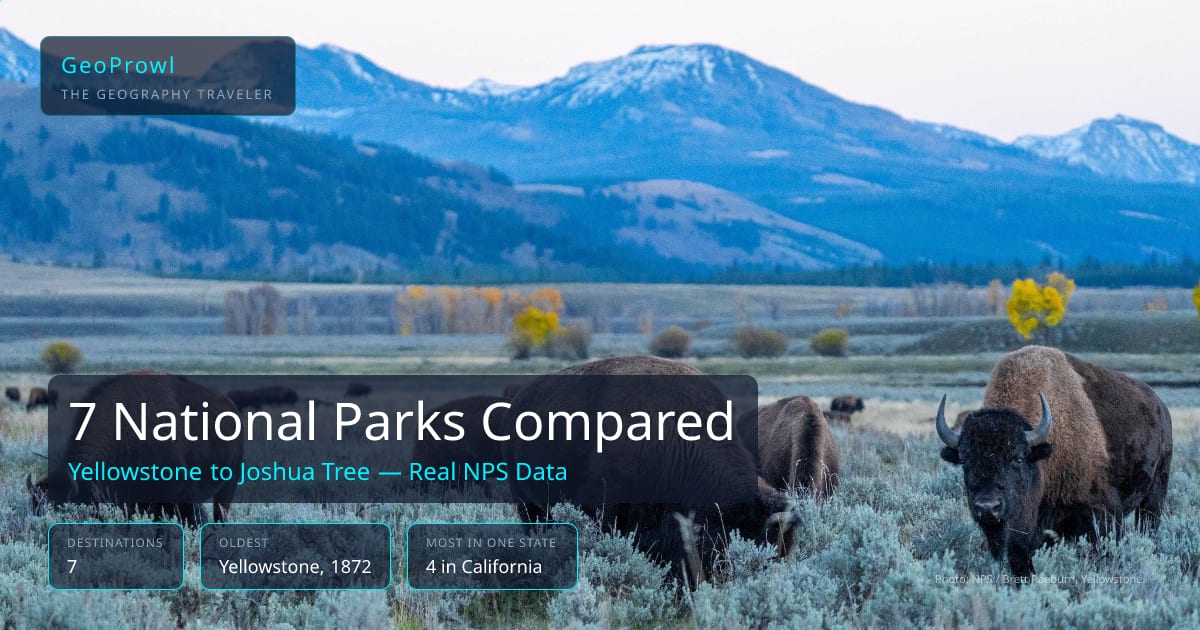
All 7, Side by Side
| Park | State | Established | Signature feature | Crowds | Hiking |
|---|---|---|---|---|---|
| Yellowstone | Wyoming (96%), Montana (3%), Idaho (1%) | 1872 | Old Faithful and the world's largest geyser concentration | high | moderate |
| Yosemite | California | 1890 | Half Dome and El Capitan | high | moderate |
| Sequoia & Kings Canyon | California | 1890 / 1940 | The General Sherman Tree — the largest known tree on Earth by volume | medium | moderate |
| Grand Canyon | Arizona | 1919 | A mile-deep canyon carved by the Colorado River | high | easy |
| Joshua Tree | California | 1936 / 1994 | Two deserts meeting — the Mojave and the Colorado | medium | easy |
| Redwood | California | 1968 | The tallest trees on Earth | low | easy |
| Acadia | Maine | 1919 | Nearly 64 miles of rocky Atlantic coastline | medium | easy |
Test Yourself
Seven real NPS photos, no timer. See if you can tell these parks apart at a glance.
Find Your Match
Four quick questions, one real recommendation. Every park's full profile is below either way; this just points you to it.
How do you feel about crowds?
The Oldest, First
Start with Yellowstone because everything else on this list exists in some sense because of it: established March 1, 1872, it was the world's first national park, years before "national park" was even a settled idea anywhere else on Earth.
Yellowstone National Park
Wyoming (96%), Montana (3%), Idaho (1%)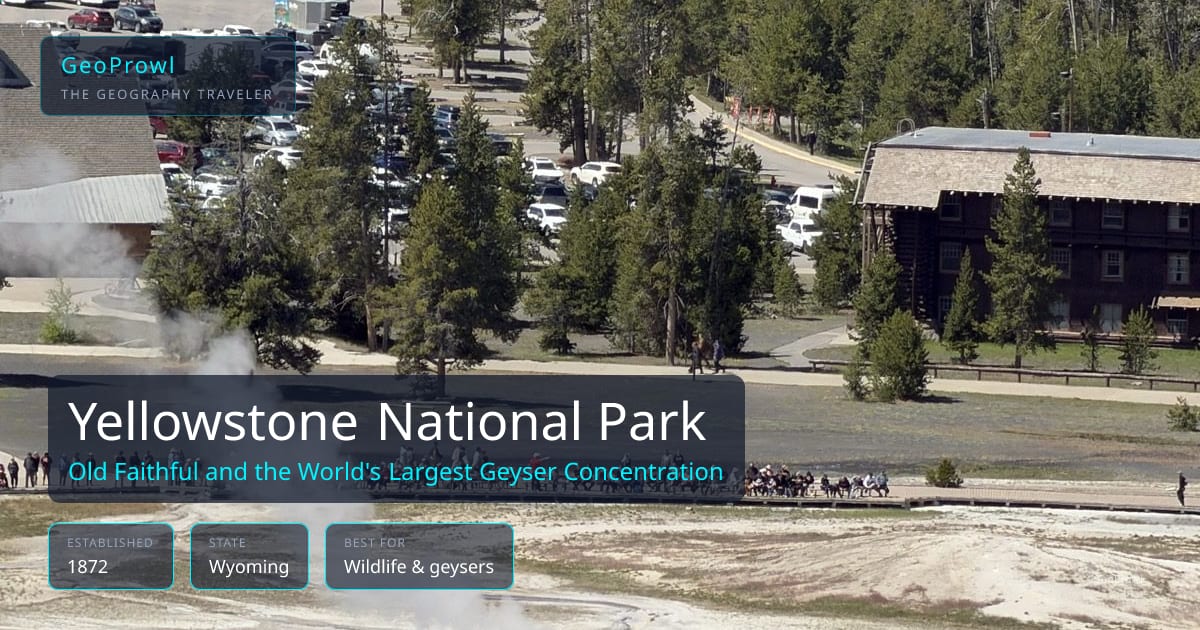
- Established March 1, 1872 — the world's first national park.
- More than 10,000 hydrothermal features, including over 500 active geysers — more than half of all the geysers on Earth.
- Elevation ranges from 5,282 feet (Reese Creek) to 11,358 feet (Eagle Peak).
- Yellowstone Lake covers 131.7 square miles with 141 miles of shoreline.
- 4.74 million visits in 2024.
Best for: Wildlife and geothermal features, first-timers who want the icon
The California Cluster
Four of the remaining six parks in this guide, Yosemite, Sequoia & Kings Canyon, Joshua Tree, and Redwood, are all in California. That's not a coincidence of this list; California has 9 national parks, more than any other state (Alaska is next, with 8), spanning granite peaks, giant sequoia groves, low desert, and old-growth coastal forest within one state's borders. Here's how its parks actually differ from each other.
Yosemite National Park
California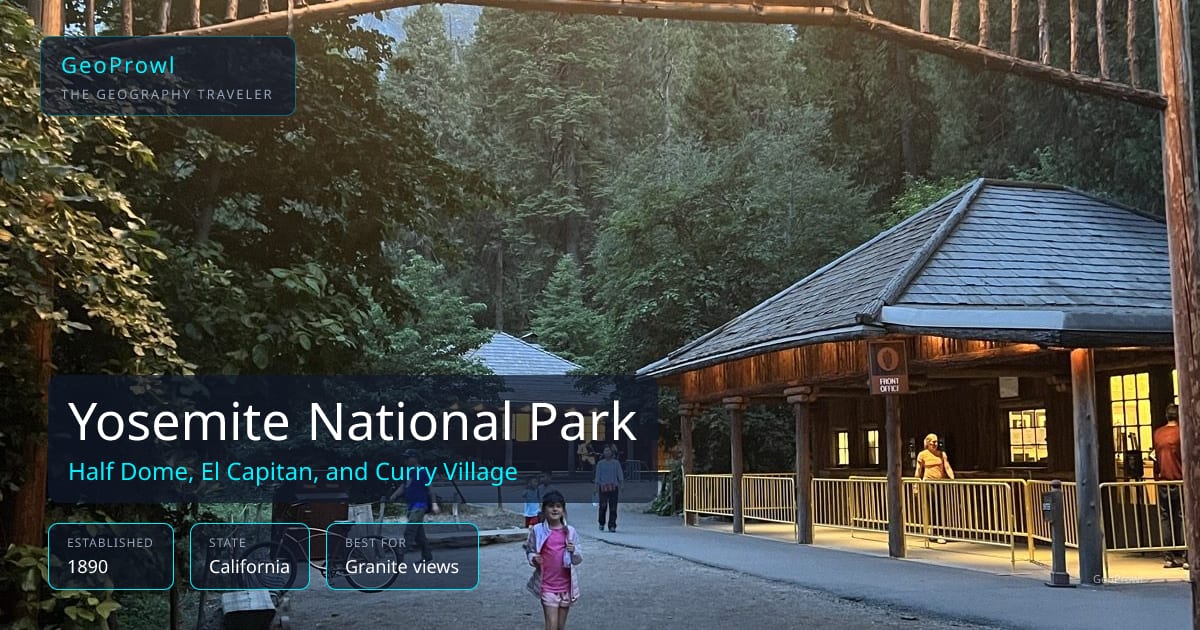
- 747,956 acres, nearly 95% of it designated Wilderness.
- Half Dome and El Capitan are sheer granite walls left behind by retreating glaciers.
- Two federally designated Wild & Scenic Rivers — the Tuolumne and the Merced — originate inside the park.
- Designated a UNESCO World Heritage Site in 1984.
- Curry Village, founded in 1899 as a tent camp by David and Jennie Curry, is one of the valley's oldest lodging areas and still rents canvas tent cabins today — it was briefly renamed "Half Dome Village" during a 2016–2019 trademark dispute before the historic Curry Village name was restored.
Best for: Iconic granite views and waterfall hikes, families who don't mind crowds
Read the full Yosemite deep-dive →Sequoia & Kings Canyon National Parks
California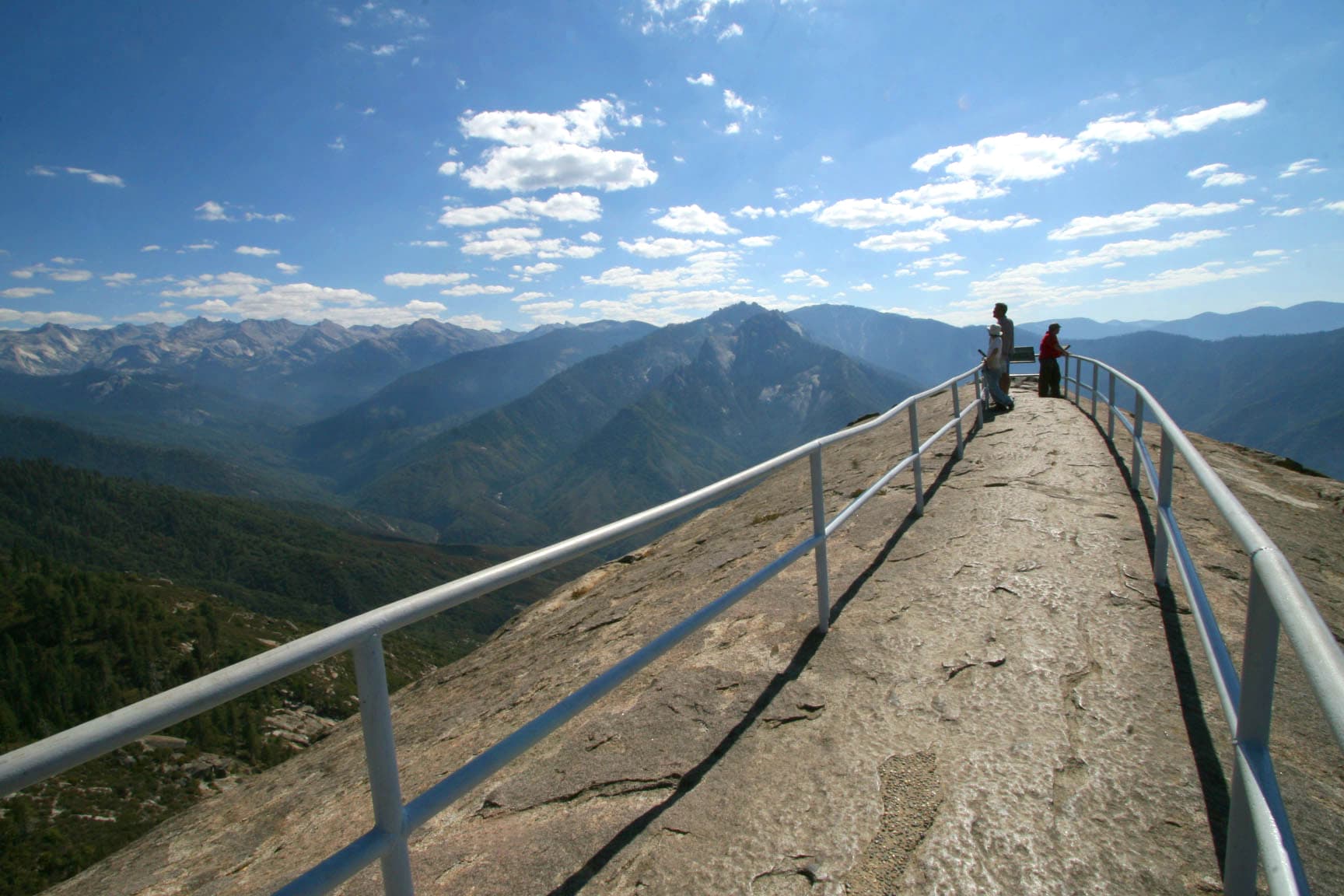
Photo: NPS / Paul Johnson
- Managed as one park, spanning an elevation gradient of more than 13,000 feet.
- Protect more than 200 caves and hold International Biosphere Reserve status.
- The General Sherman Tree: an estimated 52,500 cubic feet in volume, 274.9 feet tall, 102.6 feet around at the base — the largest known living tree on Earth by volume.
- Generally sees far fewer visitors than Yosemite, its neighbor in the same mountain range.
Best for: Giant sequoias, fewer crowds, younger kids who want something tangible
Read the full Sequoia & Kings Canyon deep-dive →Joshua Tree National Park
California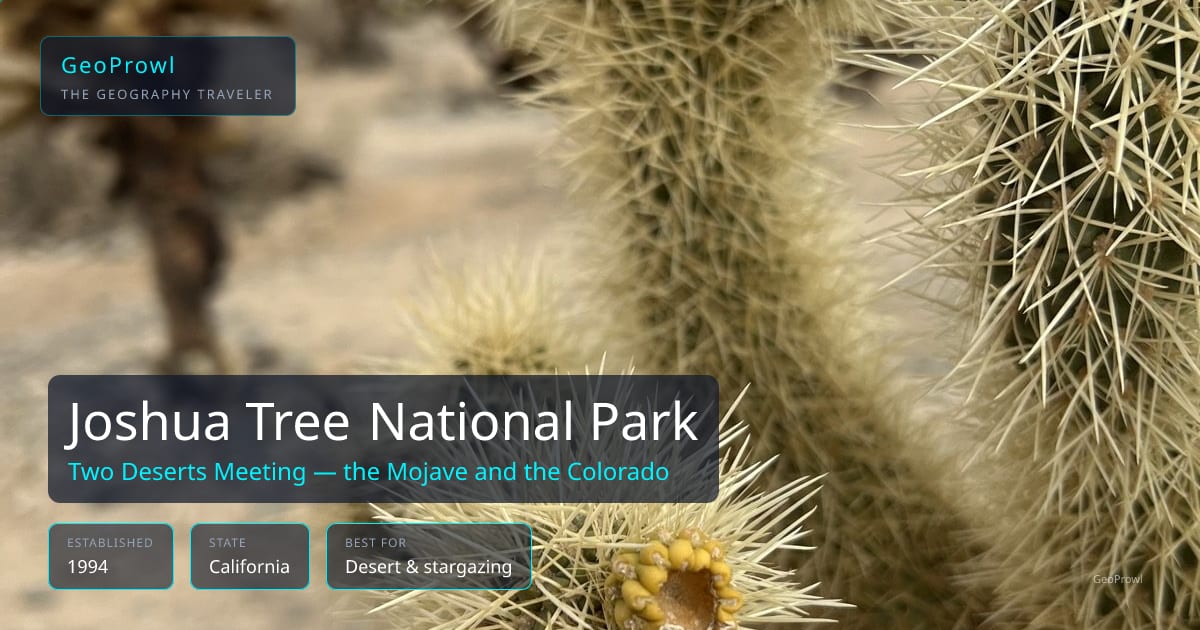
- Two distinct desert ecosystems — the Mojave and the Colorado — come together inside the park.
- Elevations range from 900 feet to over 5,000 feet across six distinct mountain ranges.
- Elevated from national monument to national park status on October 31, 1994, as part of the Desert Protection Act, which added 234,000 acres.
- Five palm oases and over three million visitors a year.
Best for: Desert scenery, rock formations, stargazing
Redwood National and State Parks
California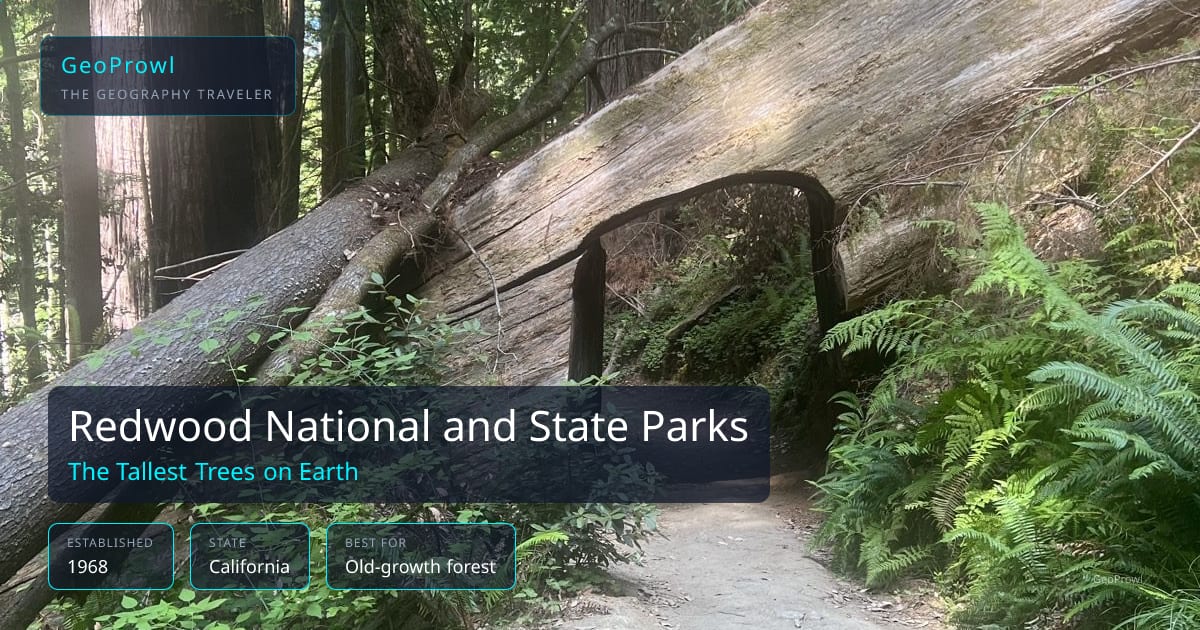
- Coast redwoods can grow to 367 feet tall — the tallest tree species on Earth — and live to 2,000 years old.
- Protects 45% of all remaining old-growth coast redwood forest.
- 37 miles of pristine California coastline alongside the redwood groves.
- Designated a UNESCO World Heritage Site in 1980.
Best for: Towering old-growth forest, an easy, quiet contrast to the desert/granite parks
Two More Worth the Trip
Rounding out the list: the Grand Canyon, a Southwest icon that needs no introduction, and Acadia, the only park here on the Atlantic, and the first national park established east of the Mississippi.
Grand Canyon National Park
Arizona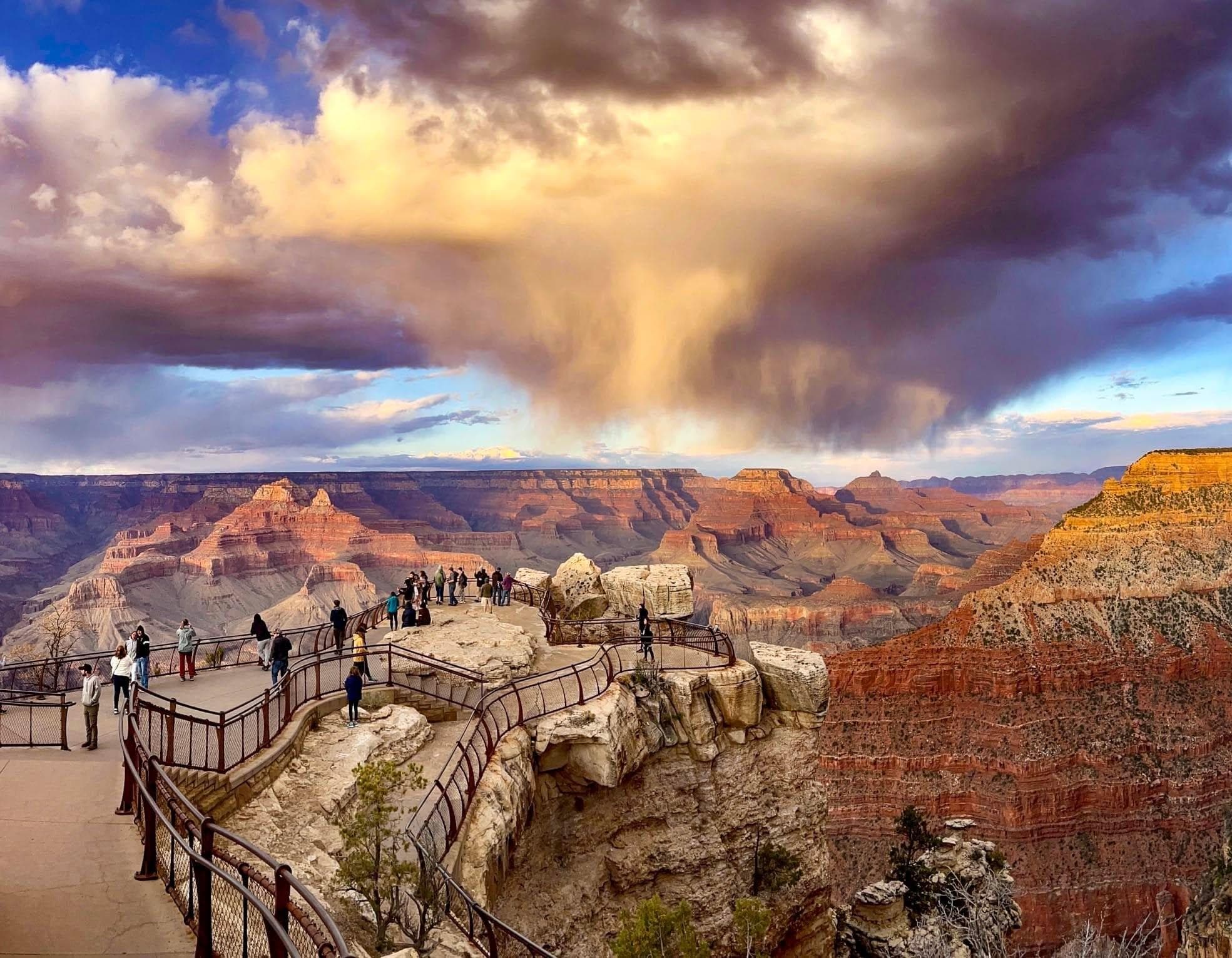
Photo: NPS / M. Quinn
- Up to 6,000 feet deep at its deepest point (about 4,000 feet on average), 277 miles long, 18 miles across at its widest.
- Carved by the Colorado River — the NPS calls it one of the finest examples of arid-land erosion in the world.
- Five of North America's seven life zones are represented within the canyon — the NPS compares the range to "traveling from Mexico to Canada" without leaving the park.
- 355 documented bird species, plus 89 mammal, 47 reptile, 9 amphibian, and 17 fish species.
Best for: Rim views without a strenuous hike, dramatic geology lessons
Read the full Grand Canyon deep-dive →Acadia National Park
Maine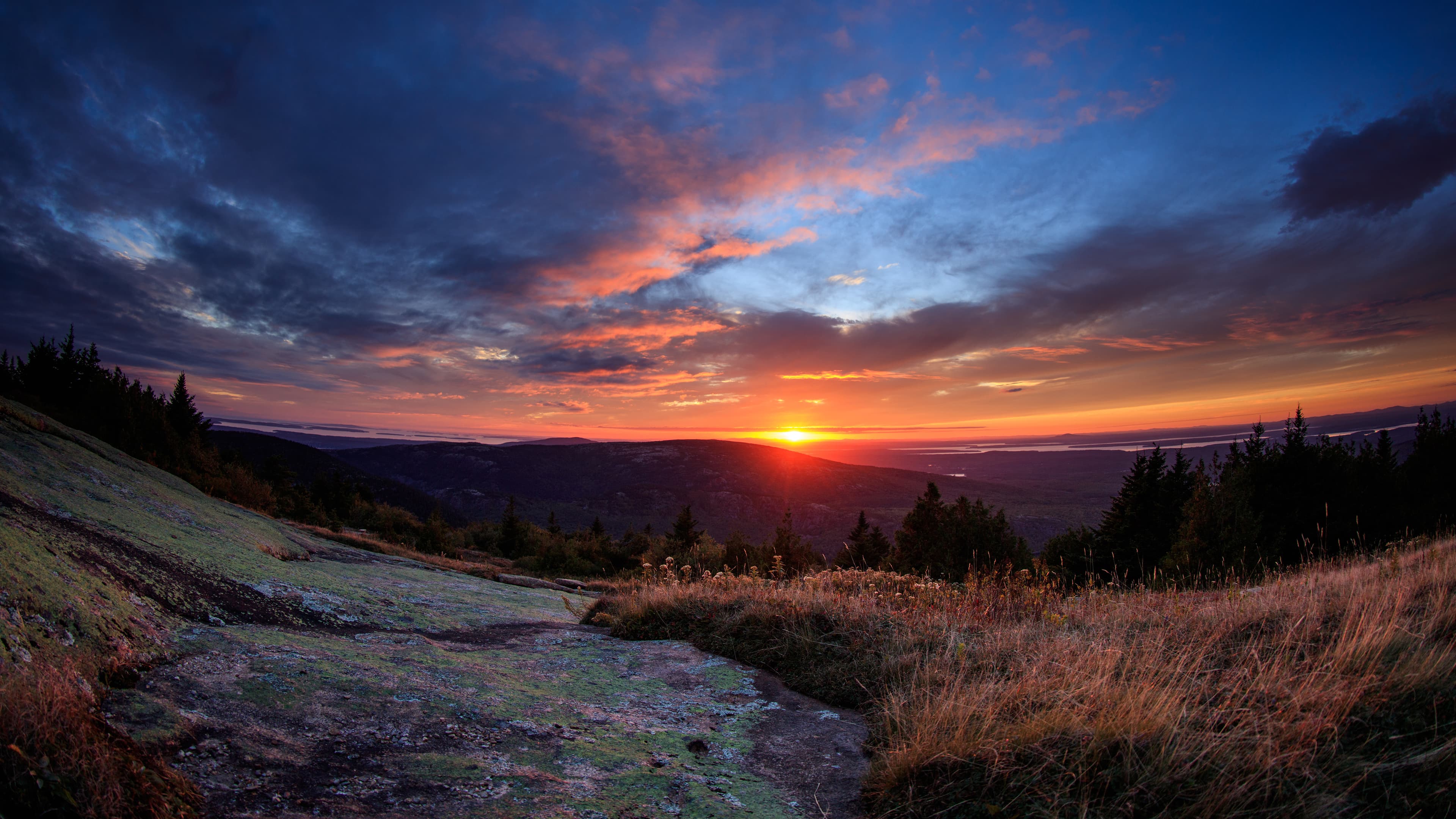
Photo: NPS / Kristi Rugg
- Established February 26, 1919 as Lafayette National Park — the first national park east of the Mississippi — and renamed Acadia in 1929.
- Nearly 64 miles of coastline across Mount Desert Island, the Schoodic Peninsula, Isle au Haut, and smaller islands.
- Formed by two forces in sequence — ancient volcanic rock, later carved and rounded by glaciers.
- Cadillac Mountain, at 1,530 feet, is the tallest point on the US Atlantic coast north of Rio de Janeiro.
- From October 7 to March 6 each year, Cadillac Mountain is the first place in the continental US to see the sunrise.
Best for: Coastal scenery, tide pools, families wanting less hiking-intensive terrain
Read the full Acadia deep-dive →Frequently Asked Questions
Yosemite vs. Sequoia & Kings Canyon, which is better for a family trip?
Sequoia & Kings Canyon tends to be the easier introduction: flat, short, stroller-friendly trails right next to some of the largest trees on Earth, and generally fewer crowds. Yosemite is the higher-profile choice with more iconic views (Half Dome, El Capitan, waterfall hikes), but its most famous sights skew toward older kids and more serious hikers.
Which national park on this list is the oldest?
Yellowstone, established March 1, 1872, the world's first national park. The next-oldest here are Sequoia and Yosemite, both established in 1890.
Which is the least crowded park on this list?
Redwood National and State Parks sees the fewest visitors of the seven, a quiet, easy contrast to the more heavily visited desert and granite parks. Sequoia & Kings Canyon is the next quietest, generally seeing far fewer visitors than its neighbor Yosemite.
How many national parks are in California?
Nine, more than any other state (Alaska is next with eight). Four of the seven parks in this guide are in California: Yosemite, Sequoia & Kings Canyon, Joshua Tree, and Redwood.
Yosemite vs. Grand Canyon, which should I visit first?
They're different enough that it's less a ranking than a preference: Yosemite is a glacially carved granite valley with waterfalls and rock climbing; the Grand Canyon is a mile-deep, 277-mile-long canyon carved by the Colorado River with dramatic rim views and minimal hiking required to see the main attraction. If you want a big view without a strenuous hike, the Grand Canyon's rim trails are easier than most of Yosemite's iconic viewpoints.
Are Sequoia and Kings Canyon the same trip?
Functionally, yes: they're managed as one park and sit right next to each other, spanning a single elevation gradient of more than 13,000 feet. Most visitors treat them as a single destination rather than two separate trips.
What's the best national park for kids who don't like long hikes?
Grand Canyon and Joshua Tree both deliver dramatic views without demanding a strenuous hike: Grand Canyon's rim trails are flat and paved in places, and Joshua Tree's rock formations and Joshua tree groves are visible right from short, easy trails.
Before You Go
Planning an actual driving route between parks? See the National Park Road Trip Guides, starting with the Grand Circle, real mileage between stops, not an estimate. For more pre-trip prep, see 7 map-reading games for the drive, why geographic literacy changes what kids notice, and how 4th graders get a free national parks pass. Or test broader park knowledge with 40 national parks trivia questions, the full Geography Trivia Questions and Answers hub, and every state's real data on Fast Facts.